Key facts
- The U.S. Strategic Petroleum Reserve (SPR) holds 289.7 million barrels, its lowest level since 1982.
- Experts warn that operating below 250 million barrels puts the SPR's infrastructure at risk.
- The reserve was created after the oil crises of the 1970s to supply markets during emergencies.
- The U.S. and Israel launched a war with Iran on February 28, prompting coordinated international oil releases.
- President Trump indicated plans to refill the SPR with Venezuelan oil, though replenishment could take years.
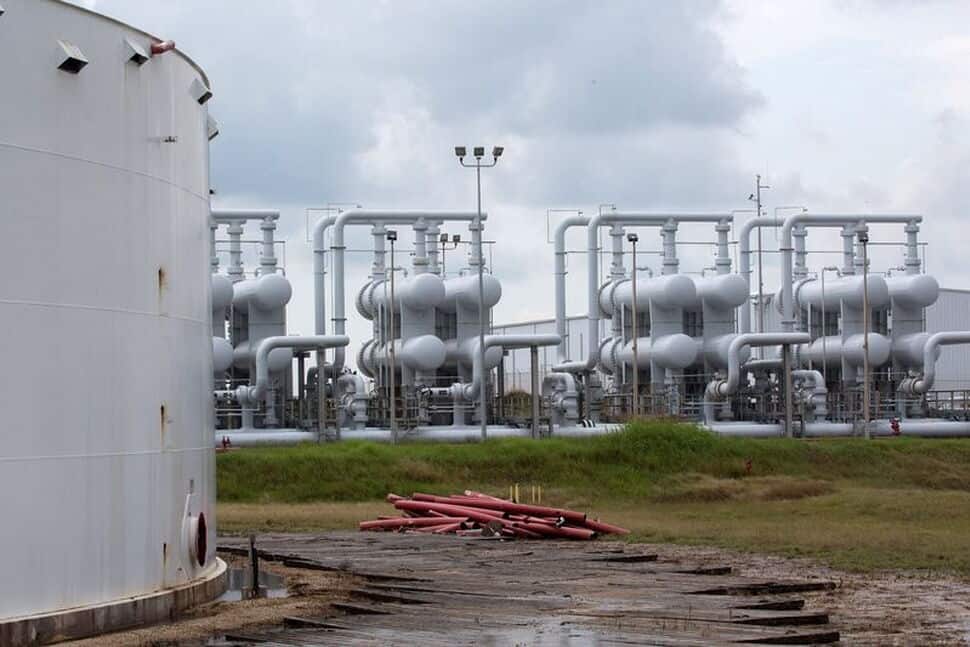
Six months into the U.S.-Israeli war with Iran, Washington faces challenges in calming oil markets due to the depleted Strategic Petroleum Reserve (SPR). The SPR, established after the 1970s oil crises, now holds 289.7 million barrels, its lowest level since 1982, after years of releases by Presidents Joe Biden and Donald Trump.
Experts, including petroleum engineering professor Siddharth Misra, warn that operating below approximately 250 million barrels pushes the reserve's infrastructure into a dangerous zone, potentially compromising its core mission of rapid market supply during crises. The reserve's absolute physical floor is 70 million barrels, but operational safety is a concern below 250 million.
A planned release of 39 million barrels could further reduce the SPR to around 243 million barrels. This release is part of a coordinated effort with over 30 countries, contributing 172 million barrels in total, following the U.S. and Israel's launch of the war on Iran on February 28. The SPR's capacity is stored in 60 underground salt caverns along the Texas and Louisiana coasts.
President Trump has stated the U.S. intends to refill the SPR using Venezuelan oil, contingent on reaching a deal to revive Venezuela's oil industry. However, analysts like Kevin Book caution that a full replenishment could take years and be subject to electoral outcomes in both countries. The Trump administration had previously released 172 million barrels as a loan, with repayment in the form of additional oil not due to begin until later this year and concluding in late 2028.
The SPR's low levels are partly a consequence of the U.S. becoming a net petroleum exporter following the 2008 oil boom, negating the International Energy Agency's requirement for members to store 90 days of net petroleum imports. President Biden released approximately 230 million barrels since 2021, including a record 180 million barrels after Russia's invasion of Ukraine in 2022. While Washington began replenishing the SPR, the ongoing Iran war and insufficient congressional funding—only $171 million allocated last year—have halted these efforts. U.S. law also prohibits routine drawdowns if the reserve falls below 252.4 million barrels.