Key facts
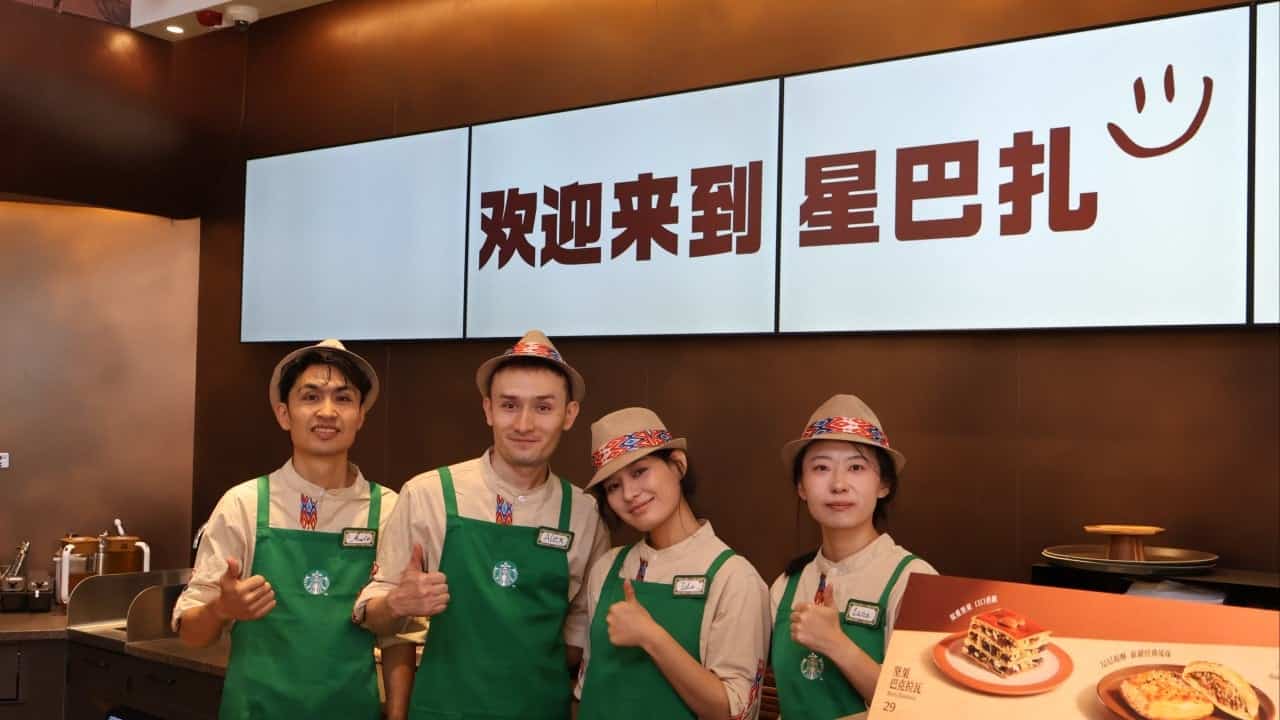
- Starbucks opened two stores in Urumqi, Xinjiang, on Tuesday.
- US lawmakers urged Starbucks to close its new Xinjiang stores.
- US lawmakers called the decision to operate in Xinjiang "morally bankrupt."
- China denies allegations of human rights abuses in Xinjiang.
- Starbucks sold a controlling stake in its China retail business to Boyu Capital last year.
US lawmakers have urged Starbucks to close its newly opened stores in China's Xinjiang region, calling the move a "morally bankrupt decision" due to alleged widespread human rights abuses against Muslim minorities. John Moolenaar, chairman of the US House of Representatives’ select committee on China, stated that there is "no justifiable reason for an American company to do business in a region where the Chinese Communist party has detained more than a million Uyghurs and is stripping them of their faith, language and culture."
Starbucks opened two stores in Urumqi, the regional capital, on Tuesday, one in the Grand Bazaar and another at the international airport. Videos on Chinese social media showed significant customer interest, with influencers promoting special edition drinks and merchandise. The World Uyghur Congress advocacy group called on Starbucks to "stand on the right side of history."
Human Rights Watch’s deputy Asia director, Maya Wang, commented that Starbucks' presence in Xinjiang could be used by the Chinese government to suggest that "there’s nothing wrong about the region." The United Nations has warned of possible crimes against humanity in Xinjiang, while China maintains that its actions are necessary to combat terrorism and that the region has a "stable society, economic growth, racial unity and religious harmony."
Starbucks sold a controlling stake in its China retail business to Hong Kong-based Boyu Capital last year. Molly Liu, CEO of Starbucks China, stated that entering Xinjiang allows the company to "engage deeply with this vibrant market and build sincere, lasting connections with our customers there." Analysts suggest the move makes "commercial sense" for Starbucks, which has been facing competition from domestic rivals in China and is operating from a "Chinese perspective."