Key facts
- U.S. kindergarten vaccination rates declined in the 2025-2026 school year.
- The share of children with exemptions rose to an all-time high of 4.2%.
- MMR and DTaP coverage saw slight decreases.
- Experts attribute the decline to perceived chaos in federal vaccination recommendation systems.
- The U.S. is facing its worst year for measles since 1991.
U.S. kindergarten vaccination rates have declined for the 2025-2026 school year, reaching a new low, while the proportion of children with vaccine exemptions has climbed to an all-time high of 4.2%. This marks the fourth consecutive year of record-high exemption rates, with the majority of these being nonmedical.
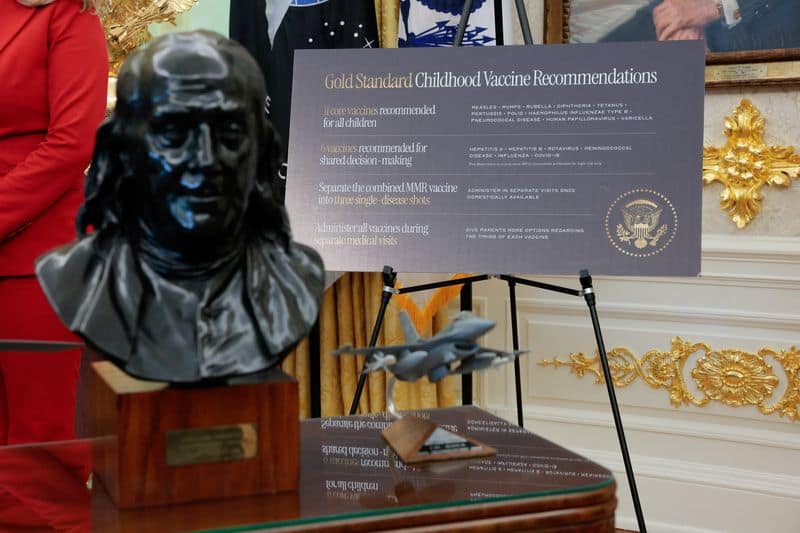
Experts, including Dr. James Campbell of the American Academy of Pediatrics, attribute this trend to perceived chaos and confusion surrounding vaccination recommendation systems over the past year. U.S. Health Secretary Robert F. Kennedy Jr. is noted for his past involvement in the antivaccine movement, and President Donald Trump has also called for changes to childhood vaccination recommendations.
Coverage for several key vaccines, including measles-mumps-rubella (MMR) and diphtheria-tetanus-pertussis (DTaP), saw slight decreases. The MMR vaccination rate fell to 92.4%, down from 95% before the COVID-19 pandemic, a level considered crucial for preventing widespread outbreaks. Rates for polio and chickenpox vaccines also declined. Hepatitis B vaccine rates remained steady.
The data emerges as the U.S. grapples with its most severe measles outbreak since 1991, leaving an estimated 155,000 kindergartners nationally susceptible to the disease. Concentrations of unvaccinated children in certain areas contribute to the varying intensity of measles waves.
Public health officials are using the back-to-school season to encourage vaccinations, emphasizing their role in keeping children healthy and in school. However, the CDC's release of this year's data was notably brief, with officials encouraging parents to consult their doctors. Medical exemptions have remained stable at approximately 0.2%, while nonmedical exemptions have risen significantly, with states like Idaho reporting high rates of exemptions.