Key facts
- Initial jobless claims rose by 2,000 to 206,000 for the week ending August 29.
- The number of continuing jobless claims increased by 8,000 to 1.779 million.
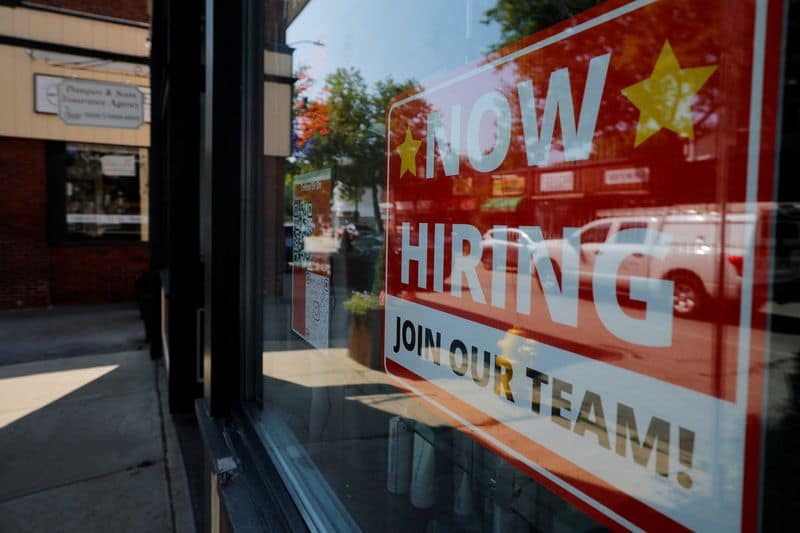
- Planned hiring announcements rose significantly in the first eight months of the year, though filling positions remains slow.
- Planned job cuts increased in August, but overall layoffs are down year-over-year.
- The Federal Reserve's Beige Book indicated very slight employment growth in August, with varied demand across sectors.
The number of Americans filing for unemployment benefits saw a marginal increase last week, indicating a stable labor market at the close of August. Initial claims for state unemployment benefits rose by 2,000 to a seasonally adjusted 206,000 for the week ending August 29, according to the Labor Department. This figure remains within the lower end of the year's range, consistent with a labor market characterized by slow hiring and firing.
Despite strong domestic demand, companies are hesitant to expand their workforce due to aggressive trade and immigration policies. A report from Challenger, Gray & Christmas showed a 37% increase in announced hiring plans year-to-date, but noted that these positions are not being filled quickly. Meanwhile, announced job cuts rose 58% in August, though overall layoffs for the year are down 41% compared to the previous year, providing a floor for the labor market.
The Federal Reserve's Beige Book described employment as having risen 'very slightly' in August, with healthy labor demand in manufacturing and construction, but falling demand in retail and hospitality. The number of people receiving unemployment benefits after an initial week of aid, a proxy for hiring, increased by 8,000 to 1.779 million for the week ending August 22.
Economists anticipate that Friday's employment report will show nonfarm payrolls rebounded by 56,000 jobs in August, after a decline in July, with the unemployment rate forecast to remain at 4.1%. Some economists suggest that a second consecutive month of job losses is possible due to the end of Temporary Protected Status for many Haitians. In the absence of labor market deterioration, the Federal Reserve is expected to consider raising interest rates to combat inflation.