Key facts
- US consumer prices rose 3.7% year-over-year in July, unchanged from June.
- Core inflation, excluding food and energy, also held steady at 3.3% year-over-year.
- Monthly inflation increased by 0.2% in July, reversing a slight decline in June.
- Energy costs have significantly impacted inflation, particularly after the US entered a war with Iran.
- AI advancements are contributing to rising computer chip prices.
- Consumer confidence has declined for two consecutive months.
US inflation remained stubbornly elevated in July, with the Federal Reserve's preferred measure, the personal consumption expenditure (PCE) price index, holding steady at a 3.7% annual increase. This marks the second consecutive month without improvement, keeping inflation well above the Fed's 2% target.
Core prices, which exclude volatile food and energy components, also remained unchanged at a 3.3% annual rate. On a monthly basis, both headline and core PCE prices rose by 0.2%, reversing a slight decline seen in June. This persistent inflation presents a difficult challenge for Federal Reserve policymakers as they consider their next interest rate move.
The data release comes amid ongoing debate among policymakers about the appropriate course of action. Some officials believe they can afford to wait to raise rates, citing that higher oil prices, exacerbated by the US entering a war with Iran, have not broadly filtered through the economy. However, others are concerned that inflation is not solely driven by energy. They point to rising computer chip prices due to the artificial intelligence boom and potential cost increases from a renewed trade war with Canada as factors that necessitate decisive action to maintain the central bank's credibility.
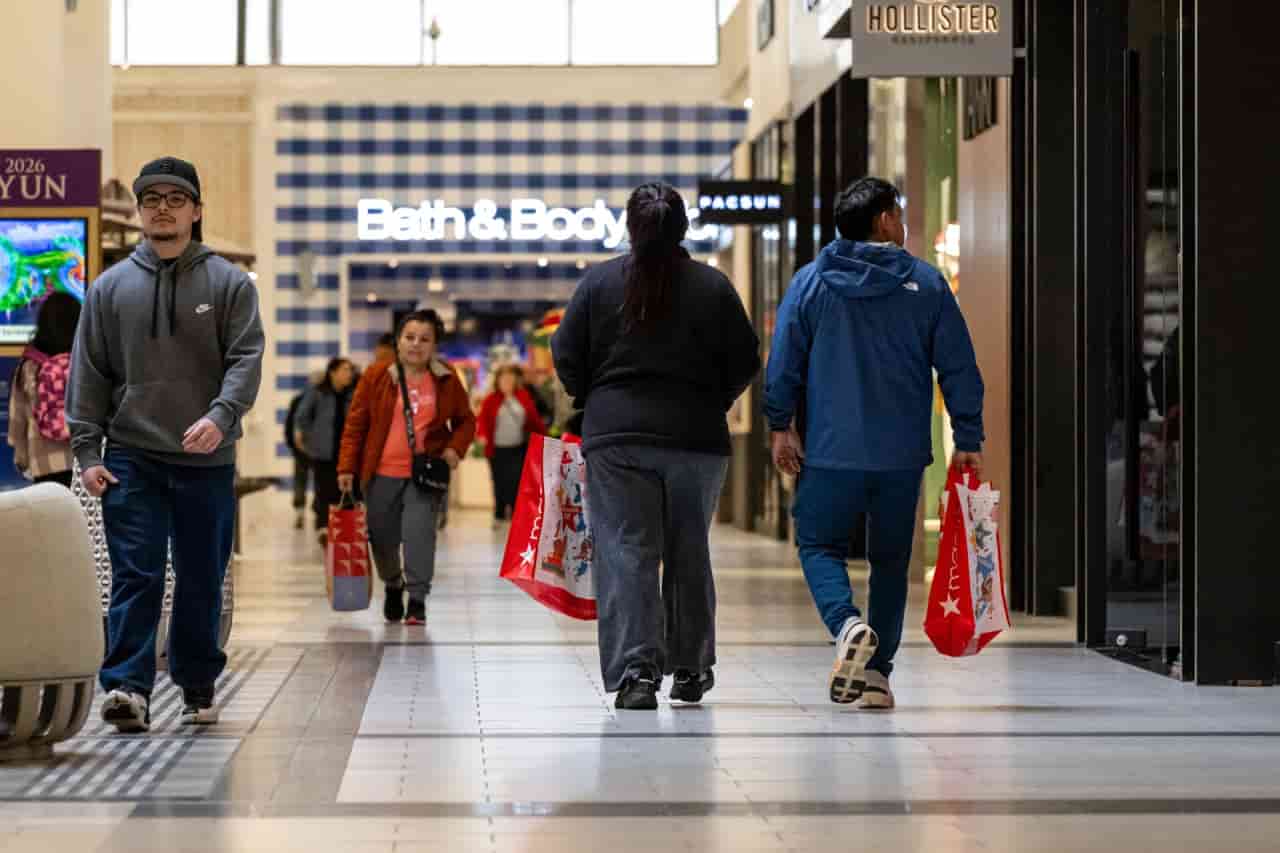
For consumers, the situation is increasingly strained. Families are facing higher prices for essential goods, particularly gasoline, while wage growth has stagnated, putting pressure on household budgets. Consumer confidence has reflected this sentiment, falling for the second month in a row in August, according to The Conference Board. Economists like Tom Porcelli of Wells Fargo acknowledge the tangible impact on consumers, stating, "People are feeling the pinch of it."
Fed Chair Kevin Warsh has emphasized his commitment to returning inflation to the 2% target, though he has not detailed specific criteria for rate hikes. Policymakers will receive another inflation report and labor market updates before their upcoming meeting, providing further data to inform their decisions.