Key facts
- A 15% tariff and minimum import prices will be imposed on polysilicon and its derivatives.
- The measures aim to boost U.S. domestic production and protect against overseas dumping.
- Polysilicon is a critical material for semiconductor and solar panel supply chains.
- The order is intended to ensure the security of America's semiconductor and solar-power supply chains.
- The tariffs and minimum prices are set to take effect on December 4.
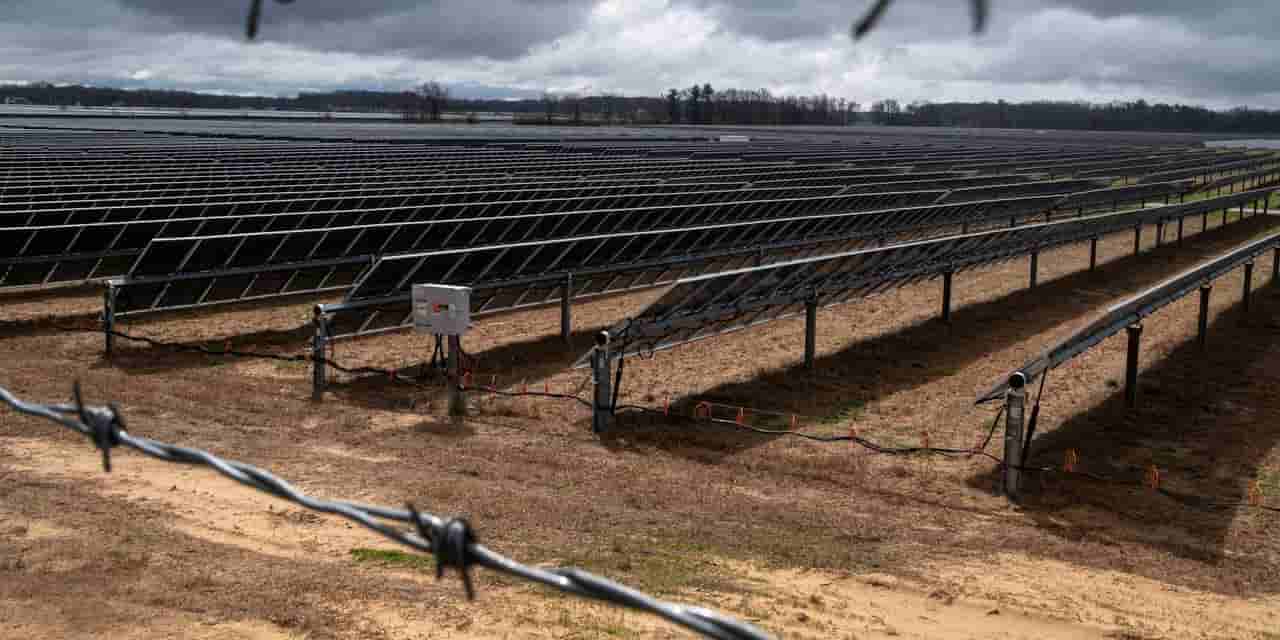
U.S. President Donald Trump signed a proclamation imposing a 15 percent tariff and minimum import prices on polysilicon derivative products, a move aimed at bolstering domestic manufacturing and protecting national security interests. The measure, effective December 4, targets polysilicon, a foundational material for semiconductors and solar panels, amid intensifying global competition with China.
Trump stated that the action is necessary to stop foreign practices that weaken U.S. producers and to revitalize the domestic polysilicon sector. The proclamation includes specific minimum import prices for polysilicon, ingots, wafers, solar cells, and solar modules, intended to create a level playing field. This action was taken under Section 232 of the Trade Expansion Act of 1962, which allows the president to adjust imports deemed a threat to national security.
Commerce Secretary Howard Lutnick emphasized that polysilicon is essential for AI chips and that the measures aim to bring the supply chain back to the U.S. and prevent foreign dumping. In response, South Korea's Ministry of Trade, Industry and Energy announced it would convene meetings to assess the impact on its exports and businesses and consult with Washington to minimize fallout.
South Korea's exports of polysilicon and its derivatives to the U.S. were estimated at $2.2 million and $430 million, respectively, in 2025.