Key facts
- The U.S. House of Representatives rejected a short-term extension of foreign surveillance powers.
- The vote was 218 to 198 against the measure.
- President Donald Trump sought the extension.
- The rejection is linked to the appointment of Bill Pulte as acting director of national intelligence.
- Intelligence agencies face losing legal authority to collect foreign data after Friday's expiration.
The U.S. House of Representatives rejected a short-term extension of foreign surveillance powers sought by President Donald Trump, with the vote falling 218 to 198. Nineteen Republicans joined most Democrats in opposing the measure, which would have extended the authority until July 2. The rejection deepens a political standoff over Trump's selection of Bill Pulte, a mortgage regulator with no prior intelligence experience, as acting director of national intelligence.
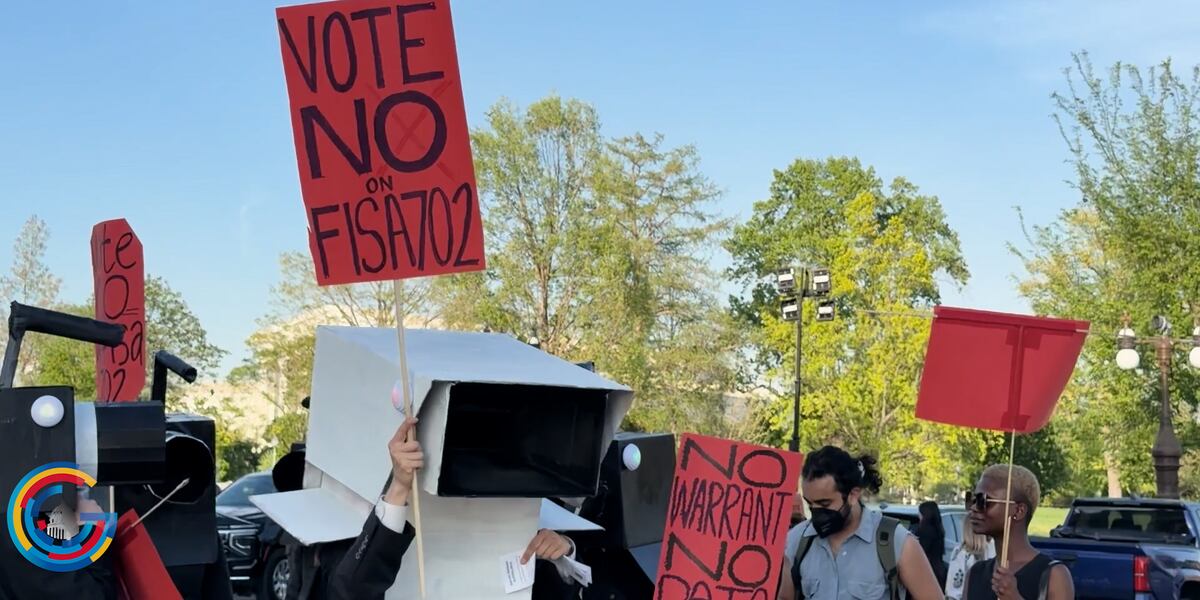
Republican leaders had sought a three-week extension to allow Trump time to find a permanent replacement for Pulte. However, Democrats and some Republicans opposed the extension, citing Pulte's lack of experience and concerns about protections for U.S. citizens under Section 702 of the Foreign Intelligence Surveillance Act. House Speaker Mike Johnson blamed Democrats for the failure, while House Democratic leader Hakeem Jeffries argued that Pulte's temporary status was precisely why he should be withdrawn.
Democrats also contend that Pulte was chosen for his willingness to use confidential data for political investigations. Pulte is set to replace outgoing DNI Tulsi Gabbard on June 19. With the expiration of surveillance authority looming after midnight on Friday, U.S. intelligence agencies face losing the ability to collect foreign intelligence data without individual warrants, a development advocates warn could jeopardize national security.