Key facts
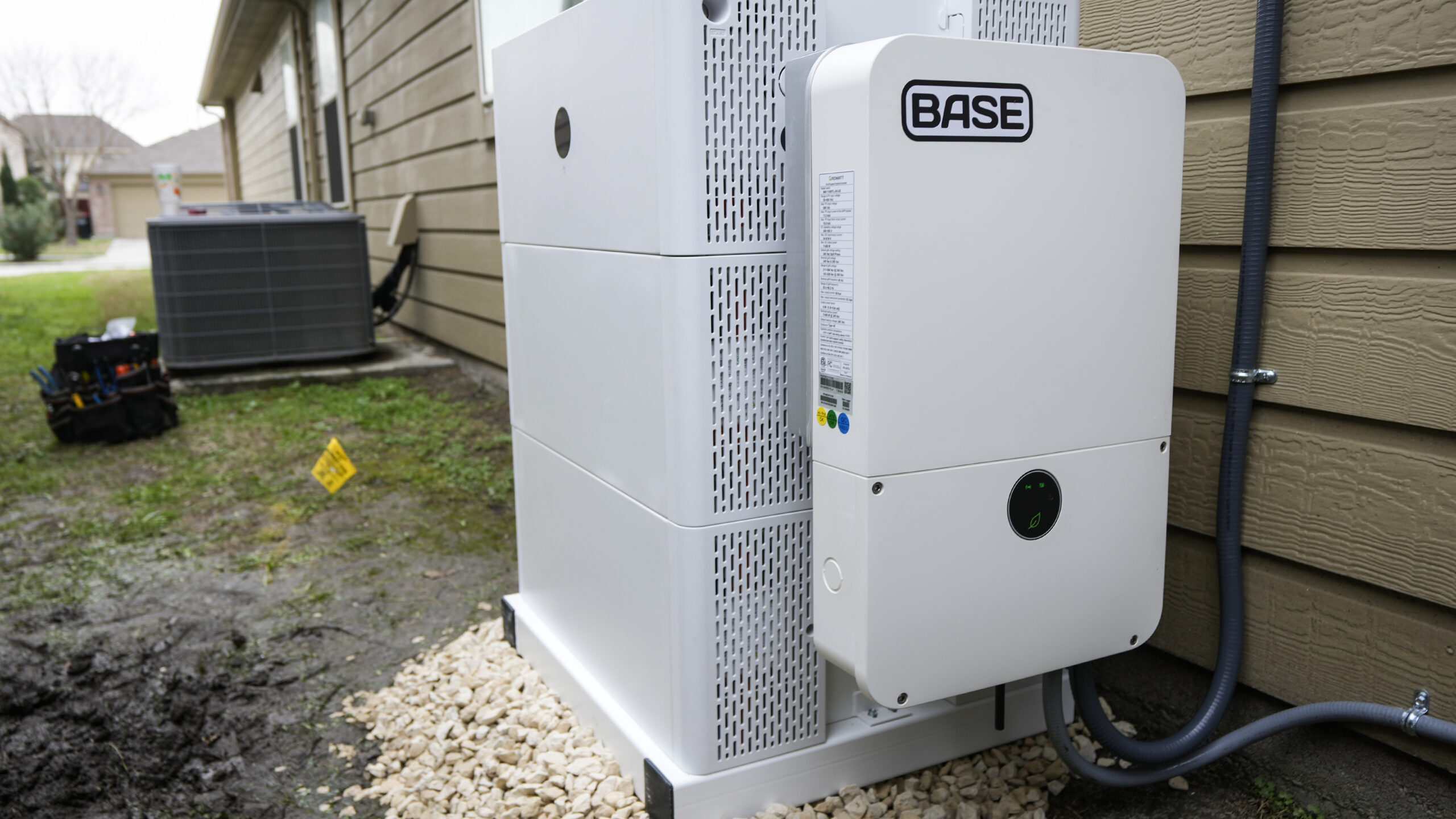
- US home battery installations reached a record 673 MW in Q1 2026.
- AI data centers are increasingly relying on battery energy storage for power surge management.
- Battery start-ups and major manufacturers are experiencing a surge in demand.
- Global battery storage installations are booming, driven by AI, grid balancing, and renewable energy reliability.
- The US installed a record 3.3 GW/8.4 GWh of battery energy storage in Q1 2026.
- The US battery energy storage market is projected to nearly quadruple over the next six years.
Battery demand has surged recently, with AI data center developers increasingly relying on battery energy storage to manage power fluctuations. Executives at battery start-ups, such as U.S.-based sodium-ion battery firm Alsym Energy, have reported a significant increase in demand this year. Mukesh Chatter, CEO of Alsym Energy, stated that batteries have become an essential component for data centers. This trend is observed globally, with companies in the U.S., Europe, and Asia experiencing heightened demand. Major battery manufacturers are also optimistic; CATL, the world's largest battery producer, expects battery storage systems to constitute half of its future sales. Battery storage is crucial not only for grid balancing and renewable energy integration but also for supporting computing centers. Europe's battery storage and renewables-plus-storage installations are also booming, driven by a desire to mitigate volatile fossil fuel prices and energy crises. In the United States, a record 3.3 GW/8.4 GWh of battery energy storage systems were installed in the first quarter, surpassing the previous Q1 record by 54%, according to a report by the American Clean Power Association and Wood Mackenzie. The U.S. battery energy storage market is projected to nearly quadruple over the next six years.