Key facts
- US forces conducted new military strikes against Iran.
- Tensions escalated with threats of a "full-scale war" from Tehran.
- The Strait of Hormuz traffic remained blocked, leading to a surge in oil prices.
- Crude oil prices rose 4.48% to $82.49 per barrel.
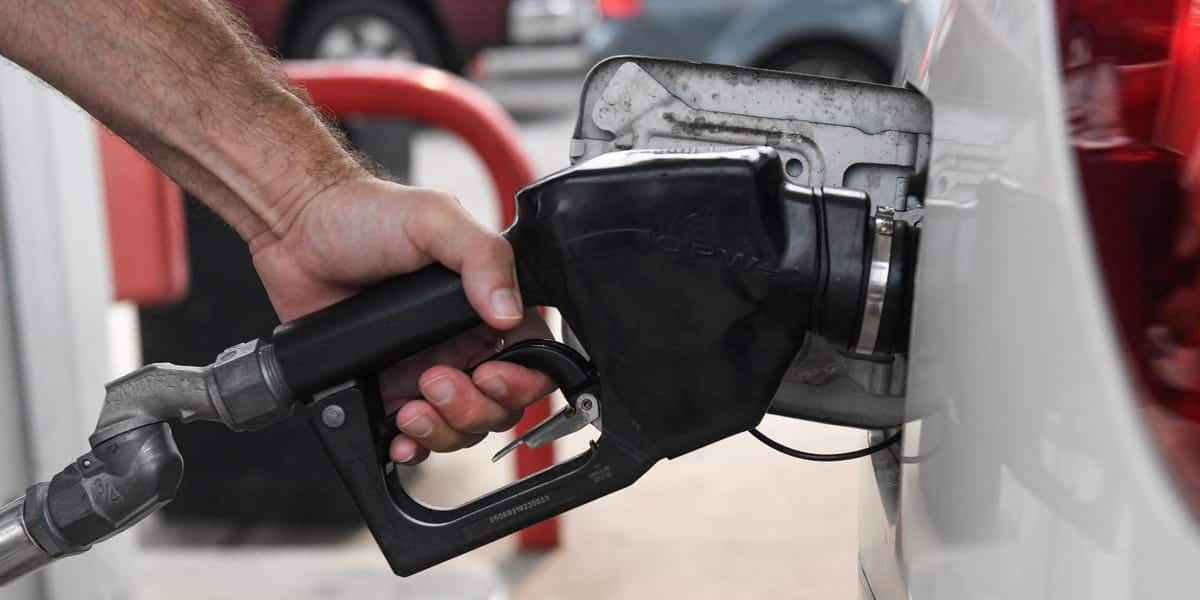
- US gasoline prices had previously fallen from an average of $4 per gallon due to hopes of a US-Iran agreement.
- Iran retaliated against US allies, causing damage in Kuwait and intercepted missiles in Jordan and Bahrain.
US forces have conducted new military strikes against Iran, escalating geopolitical tensions and leading to a surge in oil prices as the Strait of Hormuz remained blocked. The strikes, which targeted surveillance installations, logistics infrastructure, and weapons storage areas, followed a week of rising military violence and threats from Tehran of orchestrating a "full-scale war" in the Middle East.
CENTCOM confirmed the attacks, which included bombing bridges near Bandar Abbas. The escalation resulted in casualties, with two Americans killed and one missing. Iran retaliated with attacks on US allies, hitting facilities in Kuwait and having missiles intercepted by Jordan and Bahrain.
Iranian leaders intensified their rhetoric, with Supreme Leader's aide Major General Mohsen Rezaei threatening to expand military assaults beyond retaliatory responses. Supreme Leader Ayatollah Ali Khamenei stated that Washington's actions breached a previous ceasefire agreement, calling the US president's signature "worthless and devoid of credibility."
The conflict's impact on financial markets was immediate, with crude oil rising 4.48% to $82.49 a barrel due to fears of global supply disruptions from the blocked Strait of Hormuz. In contrast, the crypto market remained relatively stable, with Bitcoin trading at $64,443.88.