Key facts
- U.S. forces struck an Iranian submarine and a ship maintenance facility using attack drones.
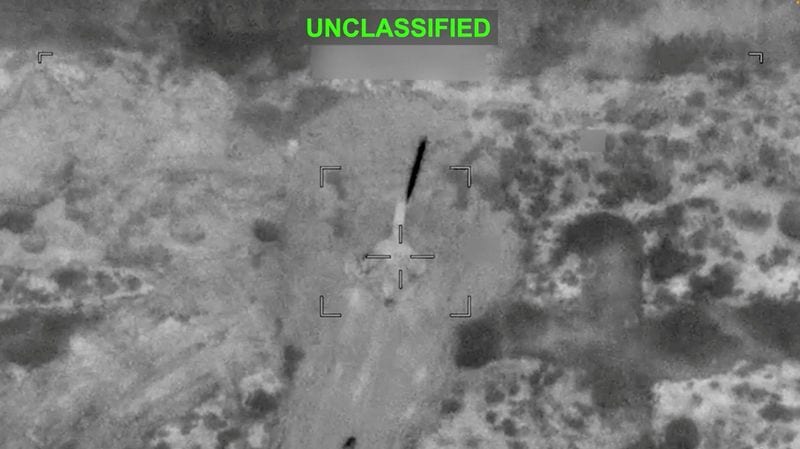
U.S. forces completed a wave of strikes on Iran targeting military sites, including a submarine and ship maintenance facility, using attack drones. The operation aimed to degrade Iran's ability to attack commercial shipping.
The escalating conflict between the U.S. and Iran, including direct military strikes and blockades, poses significant risks to global shipping lanes, particularly the Strait of Hormuz, and has already impacted oil prices and shaken international markets.
U.S. forces completed a wave of strikes on Iran, targeting military sites including a submarine and a ship maintenance facility with one-way attack drones. U.S. Central Command stated the operation, which lasted five hours, degraded Iran's ability to attack commercial shipping. The strikes occurred in multiple locations such as Bushehr, Chah Bahar, Jask, Konarak, Abu Musa, and Bandar Abbas, hitting coastal defense systems, missile and drone sites, and maritime capabilities.
This marks the third consecutive night of U.S. strikes against Iran. President Donald Trump announced he was reinstating a blockade of Iranian shipping and proposed a 20% fee to guard the Strait of Hormuz. Iran's top joint military command responded that the U.S. has no role in determining the waterway's future and would not be allowed to intervene. Iran had announced over the weekend that it was closing the vital waterway.
The conflict, referred to as the Iran war, began on February 28 with U.S. and Israeli attacks on Iran, followed by Iranian responses on Israel and Gulf states hosting U.S. bases. The ongoing war has resulted in thousands of deaths and millions displaced, while also causing spikes in oil prices and market volatility.