Key facts
- US forces have redirected 101 commercial vessels in the Strait of Hormuz as of September 13.
- The naval blockade of Iran was reinstated in July following the breakdown of talks between Washington and Tehran.
- US forces have allowed more than 50 vessels carrying humanitarian aid to pass through the blockade as of September 10.
- US forces had disabled three vessels and boarded two others to ensure compliance with the blockade as of September 6.
- US President Donald Trump stated the US controls the Strait of Hormuz on September 12.
- Iranian President Masoud Pezeshkian said Arab foreign ministers will meet September 14 to discuss a joint Iran-Oman shipping route.
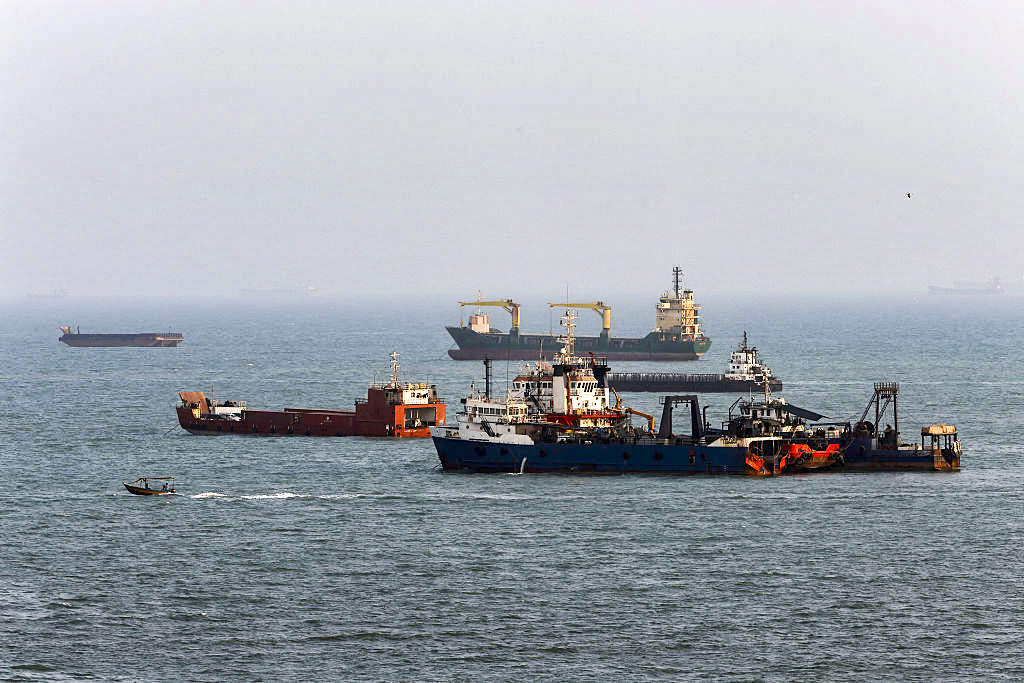
US forces have redirected 101 commercial vessels in the Strait of Hormuz as of September 13, according to US Central Command (Centcom). The blockade on Iranian ports was reinstated in July following the breakdown of talks between Washington and Tehran.
Centcom stated that over the past two months, since the US resumed its blockade, 100 commercial vessels have been redirected. The US military has enforced its blockade of ships attempting to enter or leave Iranian ports since July 14. Centcom reported that zero ships have passed through the blockade without US forces allowing them.
As of September 10, US forces had allowed more than 50 vessels carrying humanitarian aid to pass through the blockade. In addition to redirecting ships, US forces had also disabled three vessels and boarded two others to ensure compliance with the blockade as of September 6.
US President Donald Trump reiterated on September 12 that the United States maintains control over the Strait of Hormuz, stating, “We really very powerfully control the Hormuz Strait, and nobody saw that happening. But we have very powerful control over it. We have a naval blockade that’s been so incredible.” He added that the US continues to guide commercial vessels through the waterway, taking out an average of 25 boats a day.
Trump initially ordered a US naval blockade of maritime traffic entering and leaving Iranian ports in April, which was later lifted after a memorandum of understanding was signed in June. The agreement collapsed in early July when Iran carried out attacks against multiple commercial vessels in the Strait of Hormuz, prompting Trump to order the blockade reinstated on July 14.
Tehran had previously threatened to keep the Strait of Hormuz closed until the US agreed to its demands, which included ending the war, removing the blockade, withdrawing troops, lifting sanctions, and avoiding future threats. Iran and Oman proposed a joint establishment of a temporary navigational corridor through the strait in August.
Iranian President Masoud Pezeshkian told India Today that foreign ministers from multiple Arab states will be meeting in Oman on September 14 to discuss a new shipping route through the Strait of Hormuz. Pezeshkian said the ministers would discuss a framework agreement to establish a joint Iran-Oman shipping route, and the International Maritime Organization would be notified.