Key facts
- US diesel prices surpassed $6 a gallon for the first time on Thursday.
- Brent crude futures settled at $107.63 a barrel, and WTI futures at $102.48 a barrel, their highest levels since mid-May.
- Rising diesel prices are attributed to the US-Israeli war on Iran and Ukrainian attacks on Russian refineries.
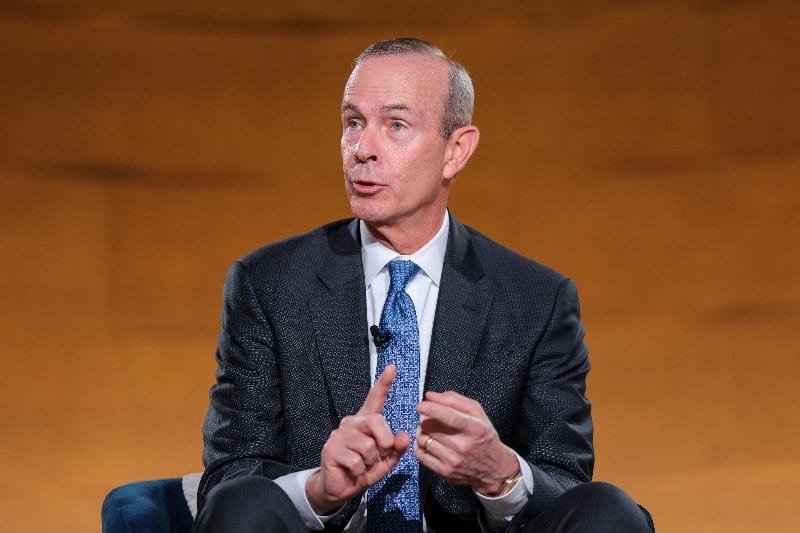
- Chevron CEO Mike Wirth stated that oil buffers have been depleted and prices may rise further.
- Diesel prices rose 24.1% last month, accounting for over a third of the jump in producer prices in August.
The national average price for a gallon of diesel in the U.S. surpassed $6 for the first time on Thursday, according to price tracker GasBuddy. Crude oil futures also reached their highest levels since mid-May, with Brent settling at $107.63 a barrel and West Texas Intermediate futures at $102.48 a barrel.
Chevron CEO Mike Wirth said on Friday that oil buffers that limited crude price increases earlier in the Iran war have been depleted, and the conflict could lift prices further over the next few months. He added that it is harder to envision a scenario where prices soften quickly, stating that "the risks remain to the upside over the next few months."
Experts attribute the rising diesel prices to the ongoing war in Iran, which has impacted global oil supply, and Ukrainian drone strikes on Russian refineries that have reduced refining capacity. Patrick De Haan, a petroleum expert at GasBuddy, noted that these factors have created a global squeeze on refining capacity. The Department of Labor reported that rising diesel costs accounted for over a third of the increase in producer prices in August, with diesel prices rising 24.1% last month.