Key facts
- US consumer sentiment index fell to 46.3 in early October.
- The index was 48.1 in September.
US consumer sentiment declined more than expected in early October, with the University of Michigan's Consumer Sentiment Index dropping to 46.3 from 48.1 in September. Rising prices, exacerbated by the Middle East conflict, soured household views of the economy.
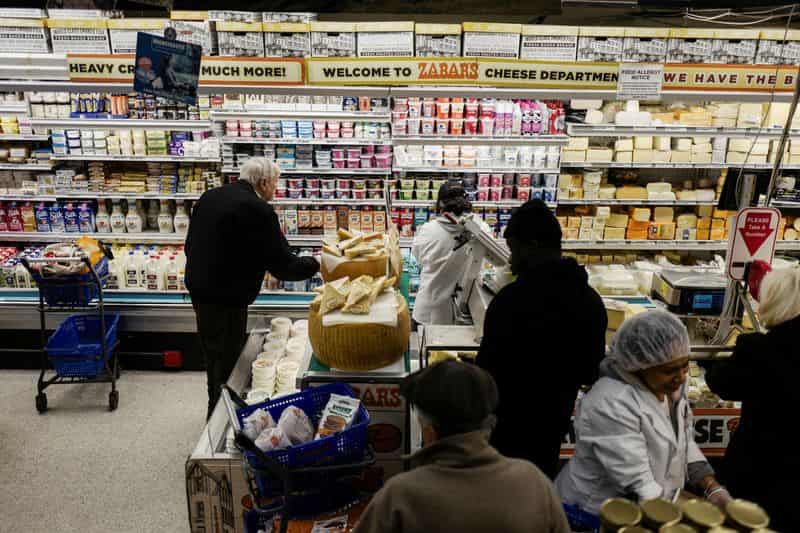
Declining consumer sentiment can signal reduced consumer spending, a key driver of economic growth, and persistent inflation expectations can influence future monetary policy decisions.
US consumer sentiment deteriorated further in early October, with the University of Michigan's Surveys of Consumers reporting its index dropped to 46.3 this month from a final reading of 48.1 in September. This was below the 47.8 forecast by economists polled by Reuters.
"Frustration over cost-of-living continues to mount, as consumers across the political spectrum believe that the trajectory of the economy has weakened since the beginning of the year," said Joanne Hsu, the director of the Surveys of Consumers. She added that sentiment for lower-income consumers and those with smaller stock portfolios dropped steeply this month, as these groups have fewer resources to cope with rising prices.
The survey also indicated an uptick in inflation expectations. Consumers' outlook for inflation over the next year nudged up to 4.7% from 4.6% in September, a surge from 3.4% in February. Expectations for inflation over the next five years rose to 3.5% from 3.4% in September.
Pick the topics you care about. Get only what matters, on your cadence.