Key facts
- The U.S. Navy is considering frigate designs from South Korea, Japan, and Turkey for a new warship competition.
- The competition could involve building up to two ships in foreign shipyards before transitioning to U.S. yards.
- Designs being considered include South Korea's Chungnam-class, Japan's Mogami-class, and Turkey's Istanbul-class frigates.
- A recent national security memorandum permits foreign shipbuilders to construct up to two ships for delivery to the U.S.
- An assessment of international combatants and support vessels is due by November 12, 2026.
The United States is reportedly exploring frigate designs from South Korea, Japan, and Turkey as part of a competition for a new class of warships. This initiative aims to leverage international partnerships to bolster the U.S. Navy and its shipbuilding capabilities.
According to USNI News, citing industry sources, the White House and the U.S. Navy are evaluating designs from these three allied nations. The competition may allow for the construction of up to two frigates in foreign shipyards before production shifts to U.S. facilities. This approach represents a departure from the U.S.'s long-standing practice of exclusively building naval vessels domestically.
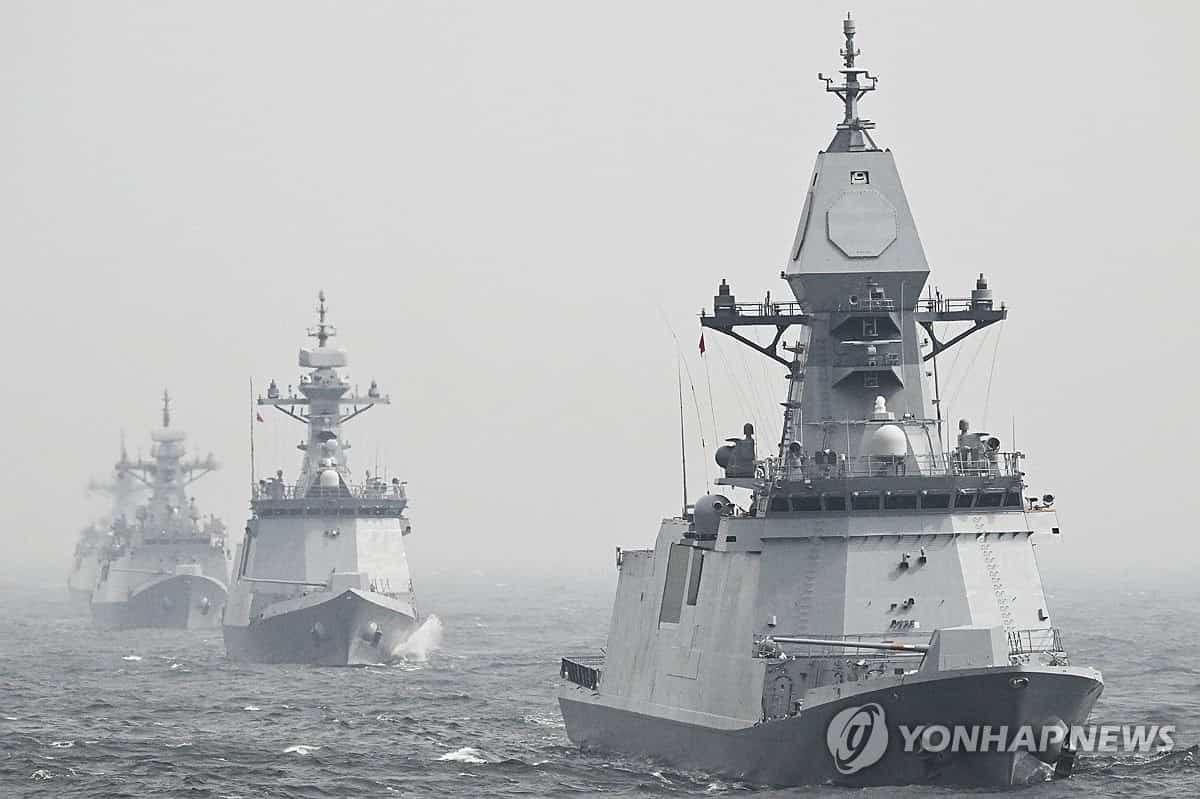
Specific designs under consideration include South Korea's Chungnam-class guided-missile frigate, an export variant of Japan's Mitsubishi Heavy Industries FFM Mogami-class guided-missile frigate, and Turkey's Istanbul-class guided-missile frigate. South Korea is currently undertaking a project to build six Chungnam-class frigates, with HD Hyundai Heavy Industries having constructed the lead ship, and SK Oceanplant and Hanwha Ocean building the remaining vessels.
This potential shift follows a national security memorandum signed by U.S. President Donald Trump, which permits foreign shipbuilders to construct up to two ships in their home shipyards for delivery to the United States. Following this directive, acting Secretary of the Navy Hung Cao has tasked the office of the assistant secretary of the Navy for research, development and acquisition, led by William Mahan, with overseeing a study on international combatants, roll-on/roll-off cargo vessels, and consolidated cargo replenishment tankers for the Military Sealift Command. This assessment is scheduled for completion by November 12, 2026.
South Korea and the U.S. have been strengthening their shipbuilding cooperation, with Seoul pledging to invest $150 billion in the U.S. shipbuilding sector as part of a broader $350 billion investment commitment made under a bilateral trade and investment agreement last year.
