Key facts
- US and Chinese military officers held deconfliction talks in Hawaii.
- The meeting lasted two days and was described as 'candid and constructive'.
- Both sides agreed improved communication could reduce tactical miscalculations.
US and Chinese military officers held two days of 'candid and constructive' deconfliction talks in Hawaii. Both sides agreed improved communication could reduce tactical miscalculations. The meeting occurred after recent Chinese military drills near Taiwan and amid a subdued US response.
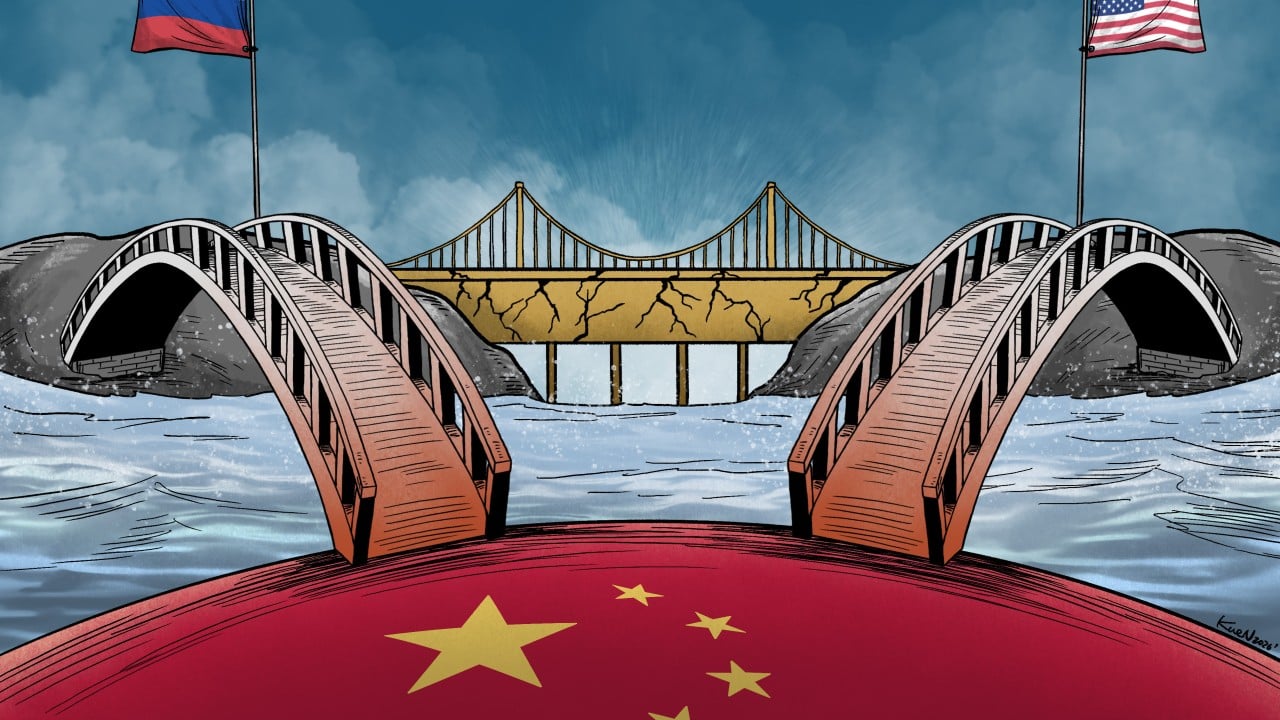
These deconfliction talks are crucial for managing escalating tensions in the Indo-Pacific, particularly concerning Taiwan, and aim to prevent accidental military confrontations between two nuclear-armed powers.
American and Chinese military officers recently convened for deconfliction talks in Hawaii, following a summit between Trump and Xi in Beijing. According to a statement from the Chinese Navy, the two-day meeting in Honolulu was characterized by 'candid and constructive' exchanges. Both sides concluded that enhanced communication could effectively minimize tactical miscalculations and foster greater professionalism in the contested Indo-Pacific region.
This resumption of military-to-military dialogue comes amid an increase in Chinese military drills near Taiwan, which have kept Taipei's armed forces on high alert. Washington's response to these developments has been notably subdued. The timing of these talks is seen as an effort to alleviate diplomatic tensions, particularly after senior Chinese military officials abstained from participating in the Shangri-La Dialogue defense forum in Singapore.
President Trump has indicated he will not engage in direct contact with Taiwan's President Lai Ching-te, aligning with the long-standing policy of strategic ambiguity and official acknowledgment of 'One China'. This approach, where no sitting US president has directly communicated with a Taiwanese leader since 1979, reflects diplomatic sensitivities concerning relations with China. While President-elect Trump received a call from then-Taiwanese President Tsai Ying-wen in 2016, direct presidential engagement has not occurred since.
Geopolitical analysts suggest that the agreement between Xi and Trump at their summit to pursue a 'constructive relationship of strategic stability' aims to establish practical boundaries for interaction between the two nuclear-armed nations. Professor Wang Dong of Peking University noted this shift towards 'deliberate, forward-looking stability-building' rather than reactive crisis management. Pentagon chief Pete Hegseth has also commented on an improvement in US-China relations, though Beijing may not fully perceive this. A continued quiet stance from the White House on Taiwan could be interpreted by China as a strategic advantage.
Pick the topics you care about. Get only what matters, on your cadence.