All NewsEducationTV
Equities & FundsCrypto & Digital AssetsAI & TechnologyBusiness & CorporateUS Politics & PolicyGeopolitics & Global RiskMacro, Rates & FXCommodities & EnergyEuropean Politics & MarketsAsia-PacificReal Estate & Property
All NewsHome
← Back to Macro, Rates & FX

US bond yields rise, stocks fall as Fed rate hike odds increase

Created at 20 Aug · 9:04 PM1 source↑ Market-relevant
IN SHORT

US bond yields climbed on Thursday, reversing earlier declines, while stocks fell to a two-week low. Higher oil prices and a rare sales miss from Walmart contributed to the market downturn. Traders are now pricing in a higher probability of a September Federal Reserve rate hike.

Key Numbers

4.70%10-year Treasury yield
2.8230-year TIPS auction bid/cover ratio
+2%Oil price increase
+20%Oil price increase in last two weeks
+40%Oil price increase year-on-year
-0.9%S&P 500 decline
-1%Nasdaq decline
-1.3%Dow Jones Industrial Average decline
-9%Walmart share price decline
+5%Bitcoin price increase
+15%Bitcoin weekly gain
1.8%Japan core CPI inflation forecast
7%Japan PPI inflation
$40 trillionUS national debt threshold

Who's Involved

Jamie McGeever
Reuters columnist
Scott Bessent
Treasury Secretary
Kevin Warsh
Fed Chair
Walmart
Retail giant
Federal Reserve
US central bank
Bank of Japan
Japan's central bank
US bond yields rise, stocks fall as Fed rate hike odds increase

↳ Why This Matters

Rising bond yields and increased odds of a Federal Reserve rate hike signal potential headwinds for equities and could impact global currency markets, particularly the yen, as inflation concerns persist.

Key facts

  • US bond yields rose, pushing stocks to a two-week low.
  • Higher oil prices and a Walmart sales miss weighed on markets.
  • The probability of a September Federal Reserve rate hike increased.
  • Treasury Secretary Scott Bessent's market interventions were scrutinized.
  • Japan's inflation is expected to accelerate, potentially influencing BOJ policy.

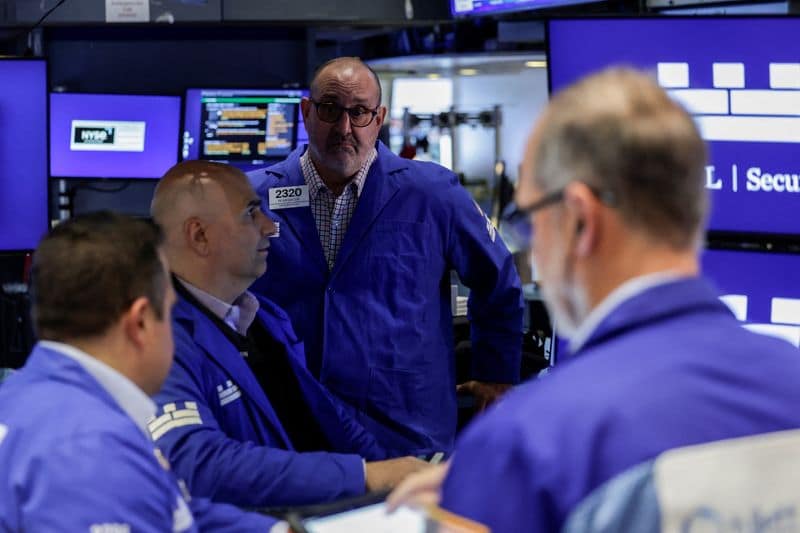
U.S. bond yields rose on Thursday, reversing much of the previous day's decline following a surprise Treasury buyback announcement, and pushing Wall Street to a two-week low. Higher oil prices and a rare sales miss from retail giant Walmart also weighed heavily on stocks.

Columnist Jamie McGeever argued that the minutes from the Federal Reserve's last meeting suggest a September rate hike remains a distinct possibility. Considering recent energy price movements, particularly for diesel, the market's current 35% probability for a hike next month may be underestimated.

Treasury Secretary Scott Bessent's decision to increase long bond buybacks and his recent intervention in the FX market to support the Japanese yen have raised questions about the administration's commitment to free markets. The column noted that these actions, along with past interventions by the Trump administration, appear aimed at controlling borrowing costs but may lack durable impact if not tied to fundamental economic strategies.

Fed Chair Kevin Warsh's view that bond yields are a useful indicator for policymakers was contrasted with Bessent's assertion that the long end of the Treasury curve does not reflect underlying fundamentals. The article pointed to persistent above-target inflation, near-record deficits, and a national debt exceeding $40 trillion as fundamental factors driving yields higher.

Looking ahead, Japan's CPI inflation data for July is expected to show an acceleration in the annual core rate to 1.8%, with concerns about potential pass-through from producer prices, which have risen sharply. The recent surge in oil prices, up nearly 40% year-on-year, adds to inflationary pressures. Traders are assigning a one-in-three chance of a Bank of Japan hike in September, with nearly 100 basis points of tightening priced by the end of next year.

Frequently asked questions

US bond yields rose as markets reassessed the likelihood of a Federal Reserve rate hike in September, influenced by energy price increases and a retail sales miss.

Walmart's rare sales miss contributed to a broader decline in stocks, particularly affecting the consumer staples and discretionary sectors.

Japan's inflation is expected to accelerate, with core CPI forecast to reach 1.8% in July, driven partly by rising producer prices and oil costs.

Bessent's interventions in the bond and FX markets raise questions about the administration's commitment to free market principles and the long-term effectiveness of such actions.

What Happens Next

01Release of U.S., UK, euro zone, and Japan PMI data for August.
02Release of Australian unemployment data for July.
03Release of Japan CPI inflation data for July.
04Release of UK retail sales data for July.
05Release of Canada retail sales data for July.
CME Headlines
  • Euro futures test May highs ahead of Jackson Hole symposium.
    20 Aug · 9:36 PM
  • Euro futures test May highs ahead of Jackson Hole symposium.
    20 Aug · 9:36 PM
  • Treasury futures await Jackson Hole as 10-Year yields rebound.
    20 Aug · 9:35 PM

How It Developed

US bond yields rose, retracing previous day's decline.
Wall Street stocks fell to a two-week low.
Oil prices increased, and Walmart reported a sales miss.
The dollar index ended flat after hitting a 3-month low.
Bitcoin rose 5%, marking a 15% weekly gain.
year Treasury yield rose above 4.70%.
Auction of 30-year TIPS drew strong demand.
Oil prices increased 2% to a 4-week high.

Sources

T1
Trading Day: Can't get no reliefReuters

Related Stories

Bond yields climb, stocks fall as Treasury rescue efforts questioned
20 Aug · 2:27 PM
US Treasury buyback limits bond market pain, but relief may be brief
20 Aug · 2:27 PM
European shares flat as oil prices offset bond market recovery
20 Aug · 7:36 AM
Asian Stocks Set to Gain as US Treasury Buys Bonds, Easing Yields
19 Aug · 11:26 PM
Japan's 20-Year Bond Auction Faces Test Amid Global Yield Surge
19 Aug · 11:27 PM