Key facts
- Australia and the U.S. are increasing defense cooperation, which may lead to an expanded U.S. military presence in Australia.
- The move aims to strengthen deterrence and stability in the Indo-Pacific region.
- The Pacific Islands Forum chair is seeking consensus to condemn a recent Chinese missile test.
- The summit has been overshadowed by China's objections to Taiwan's participation.
- The U.S. and Australia have pledged a combined $580 million in funding to Pacific Island nations.
Australia and the United States are set to enhance their defense cooperation, a move that could increase the U.S. military's footprint in Australia and bolster deterrence across the Indo-Pacific amid China's expanding regional influence. Australian Defence Minister Richard Marles stated that American force posture in Australia is growing across all domains, emphasizing its importance for regional stability and peace.
The U.S.–Australia Force Posture Initiatives allow U.S. military forces to train and store equipment in Australia, including rotational deployments and logistics support. While Marles did not confirm an increase in U.S. troop numbers, further details are expected later this year. This cooperation is also part of the AUKUS defense pact with Britain, which includes housing U.S.-commanded Virginia-class submarines in Australia from 2027, a pact China has criticized as dangerous and potentially fueling an arms race.
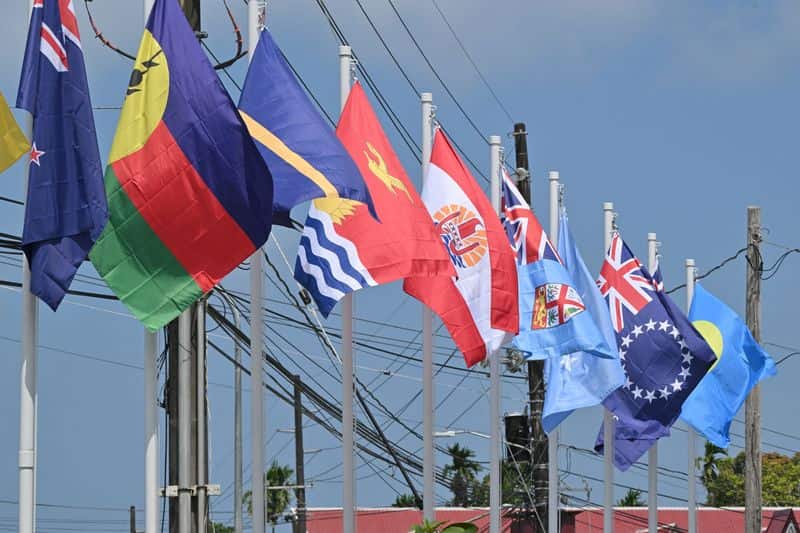
U.S. Defence Secretary Pete Hegseth noted strong alignment between U.S. and Australian defense strategies, stressing the need for allies to invest in sovereign security for collective defense. The meeting occurred as the Pacific Islands Forum (PIF) summit was underway, overshadowed by the absence of several leaders and China's protest against Taiwan's foreign minister attending. The PIF chair, Palau President Surangel Whipps Jr., is seeking a consensus to condemn China's recent missile test, expressing hope it will be addressed in a joint statement to ensure regional sovereignty and transparency.
Separately, the U.S. and Australia announced a combined $580 million in funding for Pacific Island nations. Australia is contributing A$600 million for drug smuggling interdiction and aerial surveillance, while the U.S. is providing $150 million, including $60 million for energy crisis support. China maintains its missile test was conducted safely, and has objected to Taiwan's participation in the forum, with Palau being one of three nations maintaining official ties with Taiwan. New Zealand's Foreign Minister Winston Peters expressed suspicion of foreign interference behind leader absences, which China has dismissed.