Key facts
- The U.S. Army is disbanding a specialized drone warfare unit less than a year after its creation.
- The unit, part of the Europe-based 173rd Airborne Brigade, focused on drone experimentation and tactics learned from Ukraine.
- Bipartisan lawmakers have raised concerns that this decision will limit the U.S. ability to learn from battlefield innovations.
- Lawmakers are requesting a briefing on the data and decision-making process behind ending the unit's specialization.
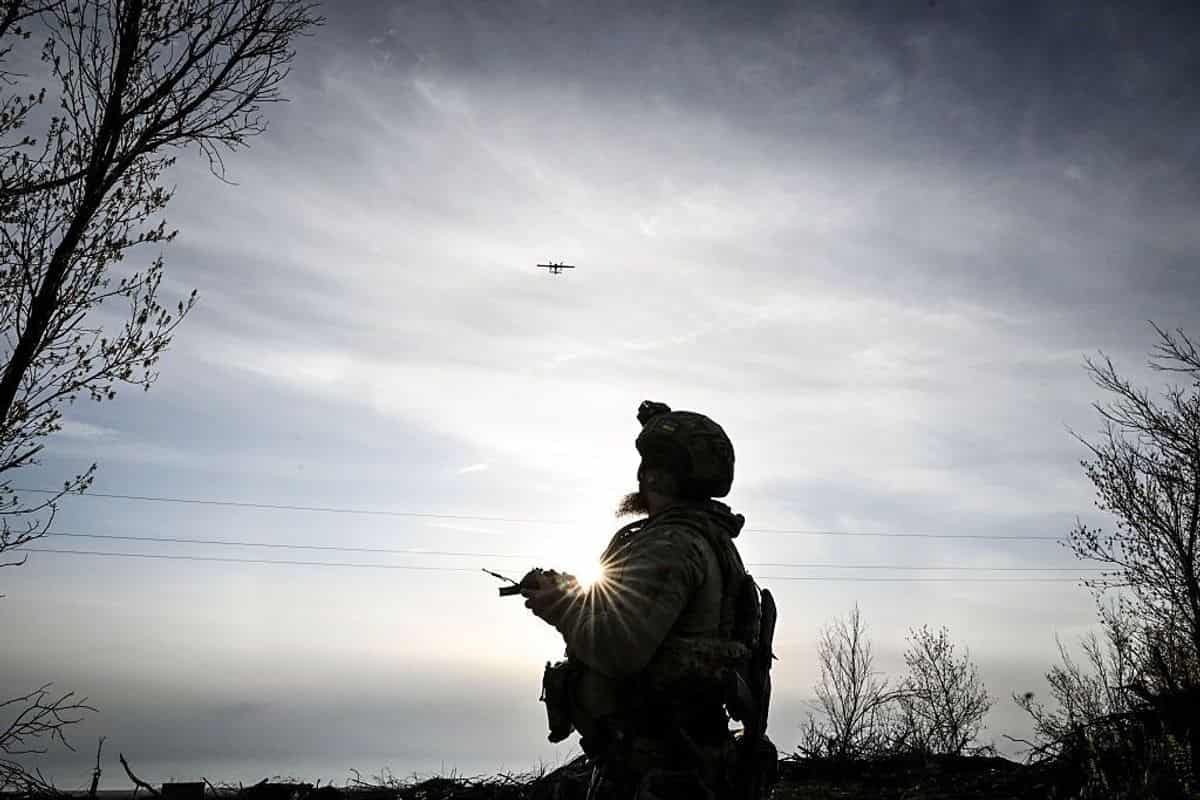
The U.S. Army is discontinuing a specialized drone warfare unit, established less than a year ago within the 173rd Airborne Brigade in Europe, which was experimenting with advanced systems and tactics informed by Ukraine's combat experience. This move has drawn criticism from a bipartisan group of lawmakers, including Senators Jeanne Shaheen, Thom Tillis, and Angus King, along with Representative Mike Turner.
In a joint letter, the lawmakers expressed deep concern that eliminating this unit will impede the U.S. military's ability to learn from allies, particularly Ukraine, and hinder efforts to modernize drone warfare at a pace necessary for modern battlefields. They described the unit as a crucial response to the rapidly evolving nature of warfare.
The lawmakers are seeking a briefing to understand the rationale behind the decision, including the data and analysis used, and whether the directive originated from the Pentagon or the Army itself. The Army's own 2025 Army Transformation Initiative had previously highlighted the importance of integrating modernized unmanned aircraft systems due to the rapid changes on modern battlefields.
This development occurs amidst a broader reduction in the U.S. military footprint in Europe. Plans announced in October 2025 to decrease troop deployments along NATO's eastern flank were followed by a withdrawal of approximately 5,000 troops from Germany and the cancellation of a planned deployment of 4,000 troops to Poland. These actions have amplified concerns among European allies regarding Washington's sustained commitment to continental security, especially as Russia's conflict in Ukraine continues.