Key facts
- South Korea and the US military have agreed to shorten joint drills.
South Korea and the US military have agreed to shorten joint military drills, concluding them six days early on August 21 instead of August 27, following a request from President Trump. The decision has raised concerns about South Korea's wartime command plans.
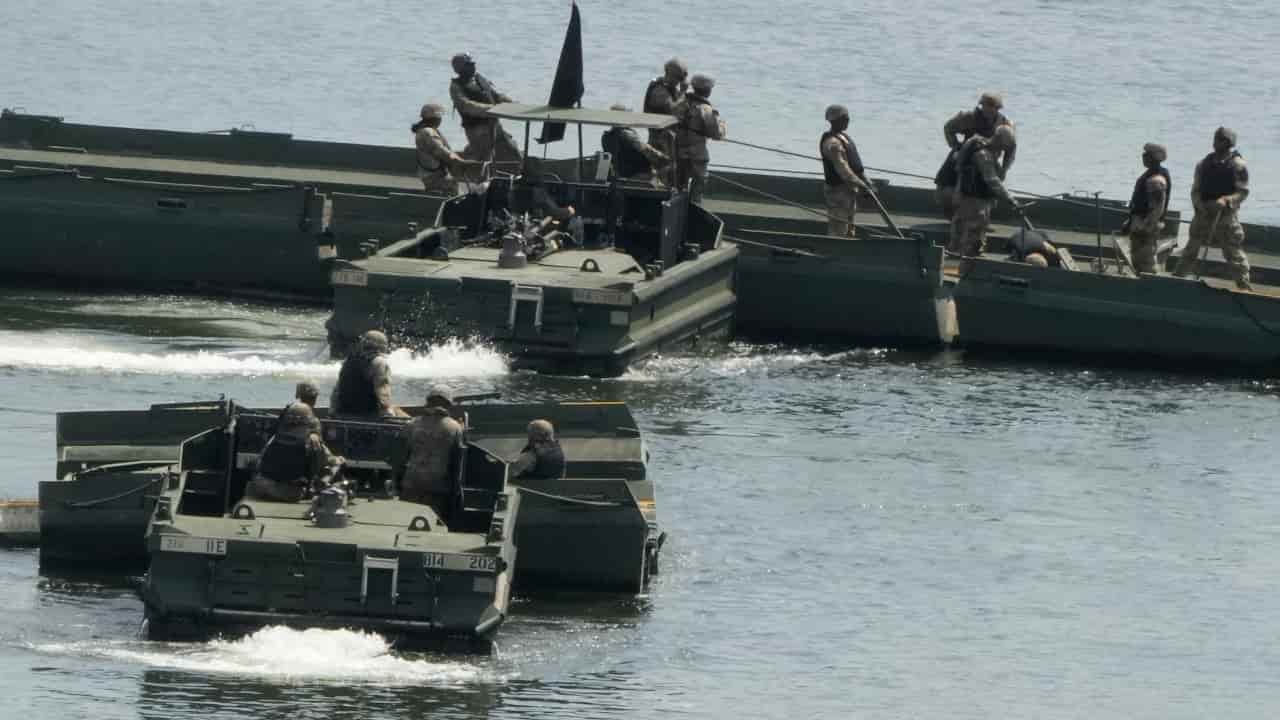
The decision to shorten joint military drills at the request of President Trump could impact South Korea's defense readiness and command structure, while also potentially emboldening North Korea's aggressive posturing.
South Korea and the United States military have agreed to shorten their joint military exercises, concluding the Ulchi Freedom Shield drills six days early on August 21 instead of August 27. This decision follows a request from U.S. President Donald Trump, who had previously condemned the drills.
The Ulchi Freedom Shield exercise has been significantly scaled down, with the U.S. military canceling or simulating live-training events. This reduction has reportedly caught Seoul off guard and raises concerns about South Korea's wartime command plans.
North Korea has denounced the drills, labeling the U.S. and South Korea as "warmongers" and accusing them of escalating regional tensions.
Pick the topics you care about. Get only what matters, on your cadence.