Key facts
- The UN human rights office praised 12 countries for their intention to restrict trade with illegal Israeli settlements.
- The measures were also welcomed by Egypt, Jordan, and the Palestinian Presidency.
- A report details how foreign entities support Israel's settlement economy.
- Amnesty International previously highlighted a UN database aimed at identifying companies involved in settlement activities.
The United Nations human rights office has lauded the decision by 12 countries to implement restrictions on trade with illegal Israeli settlements. Volker Turk, spokesperson for the UN High Commissioner for Human Rights, stated that the situation in the West Bank necessitates urgent and concrete actions. Egypt, Jordan, and the Palestinian Presidency have also expressed their support for these measures, which involve 11 European nations and Canada.
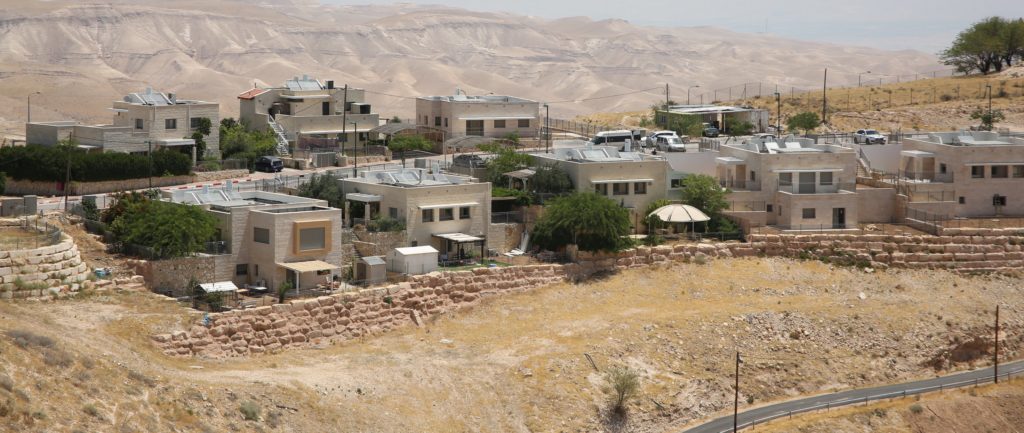
A report titled "Trading with Illegal Settlements – How Foreign States and Corporations Enable Israel’s Illegal Settlement Enterprise" underscores the detrimental impact of the settlement economy on Palestinian communities. The report, endorsed by numerous humanitarian, development, human rights, and faith-based organizations, advocates for a ban on all trade, investment, and services with businesses operating from illegal Israeli settlements in the West Bank, including East Jerusalem, and the Golan Heights. Signatories emphasize that such trade legitimizes settlements on occupied territory, hinders the viability of a future Palestinian state, and exacerbates Palestinian poverty, while clarifying it does not call for a boycott of Israel or Israeli corporations not involved in settlements.
Previously, Amnesty International had highlighted the UN Office of the High Commissioner for Human Rights' (OHCHR) plans to publish a database of companies engaged in activities that enable, facilitate, or profit from the construction and growth of Israeli settlements. This database was intended to promote transparency and encourage companies to reassess their operations in the context of the occupation and dispossession of Palestinians. Specific activities targeted include the supply of construction and surveillance equipment, banking and financial services, and the exploitation of natural resources.