Key facts
- UK sanctions target seven Russian scientists and two research institutions.
- Sanctions are linked to the development of Novichok nerve agent and toxins used against Alexei Navalny.
- The targeted institutions are SC Signal and GNIII VM.
- Novichok was used in the 2018 Salisbury attack, leading to Dawn Sturgess's death.
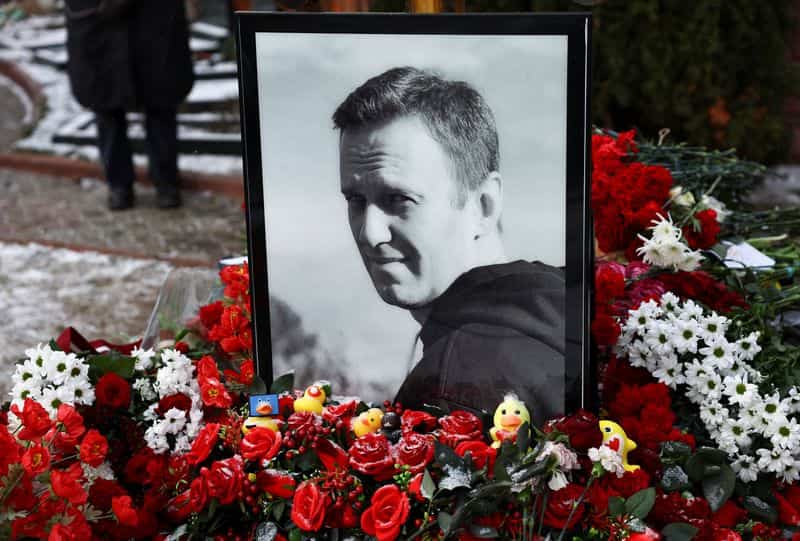
- Alexei Navalny died in 2024 after being poisoned with a chemical agent.
- Yvette Cooper stated Russia's use of chemical weapons violates international law.
Britain has imposed sanctions on nine Russian individuals and two research institutions, accusing them of developing chemical weapons. The sanctions target seven scientists and two research institutions, including SC Signal and GNIII VM, for their alleged roles in creating the Novichok nerve agent used in the 2018 Salisbury attack and the chemical agent that poisoned opposition leader Alexei Navalny in 2024.
British Foreign Secretary Yvette Cooper condemned Russia's actions, stating that the repeated use of chemical weapons is a "sickening violation of international law and a direct threat to global security." The Salisbury attack in 2018 involved the Novichok nerve agent and resulted in the severe illness of former Russian intelligence officer Sergei Skripal and his daughter, as well as the death of British citizen Dawn Sturgess.
Navalny, a prominent critic of President Vladimir Putin, died after being poisoned. The UK's Foreign Office indicated that these measures directly impact leading scientific research centers and key individuals involved in the development and production of toxic chemicals. Russia's embassy in London rejected the allegations, calling them slander and accusing the UK of promoting an imaginary Russian threat.