Key facts
- Around 360 pubs are expected to permanently close by the end of 2026.
- The closures are projected to lead to 5,000 job losses.
- The British Beer and Pub Association (BBPA) estimates that each closed pub costs the government nearly £72 million in lost tax receipts.
- A 20% business rate cut for pubs was announced by Prime Minister Andy Burnham, set to take effect from April 2027.
- The South East of England has seen the highest number of pub closures (42), followed by the North West (39).
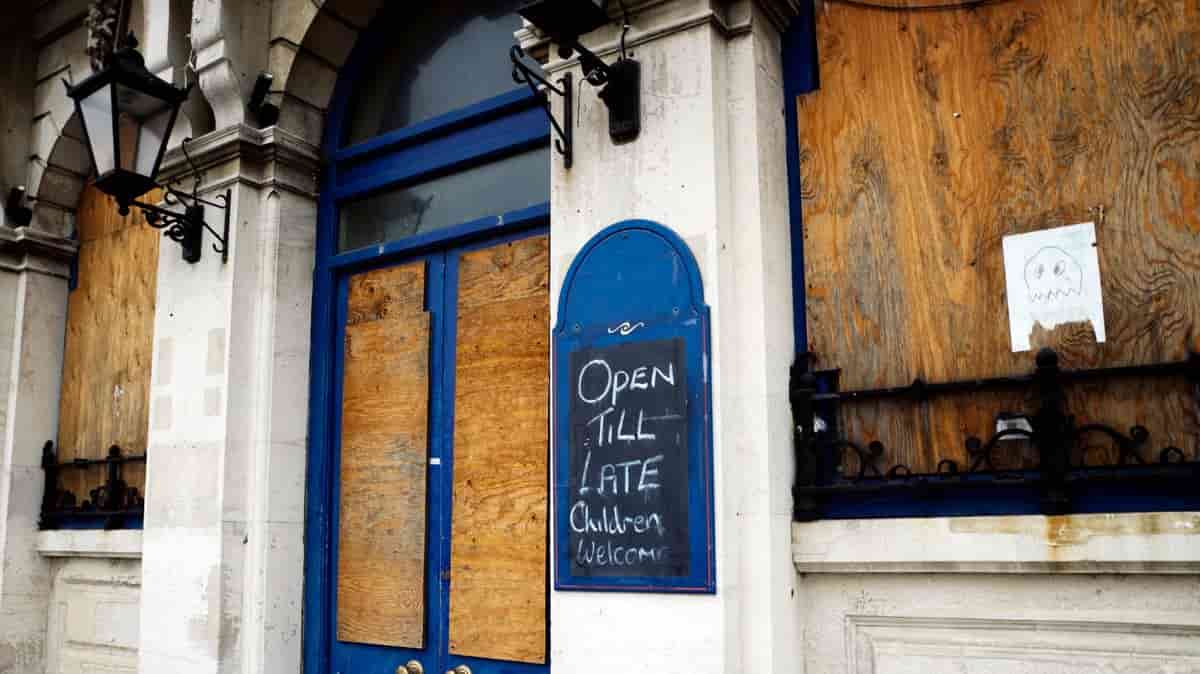
Pub closures are continuing at a rate of approximately one per day in 2026, according to industry figures. The British Beer and Pub Association (BBPA) reported that nearly 300 pubs had shut by the end of September, with an estimated 360 closures expected by year-end, resulting in around 5,000 job losses. Hospitality leaders argue that these closures are driven by soaring bills and pressure on household incomes, and that recent tax cuts are insufficient.
The BBPA warned that successive Budgets have increased the tax and regulatory burden on the industry. The trade body estimates that the closures in 2026 could cost the government nearly £72 million in lost tax receipts, including employment taxes, beer duty, business rates, corporation tax, and VAT.
England has seen 226 pub closures so far this year, with the South East region experiencing the highest number (42), followed by the North West (39). Scotland has recorded 64 closures, and Wales has seen 5.
Prime Minister Andy Burnham announced in July that pubs, social clubs, and live music venues in England would receive a 20% business rate reduction starting in April 2027. Emma McClarkin, BBPA chief executive, welcomed the announcement as a "significant help" but called for a permanent fair and sustainable rates burden, a freeze on beer duty, increased draught relief, and a review of employment costs for under-25s to address the root causes of closures.