Key facts
- UK Prime Minister Keir Starmer's administration ordered Apple and Google to automatically enable content filtering features on devices used by minors.
The UK government will introduce legislation to force tech companies like Apple and Google to automatically block explicit content on children's devices after they failed to meet a deadline to implement such protections. The government stated that existing measures were insufficient to address the scale of the crisis.
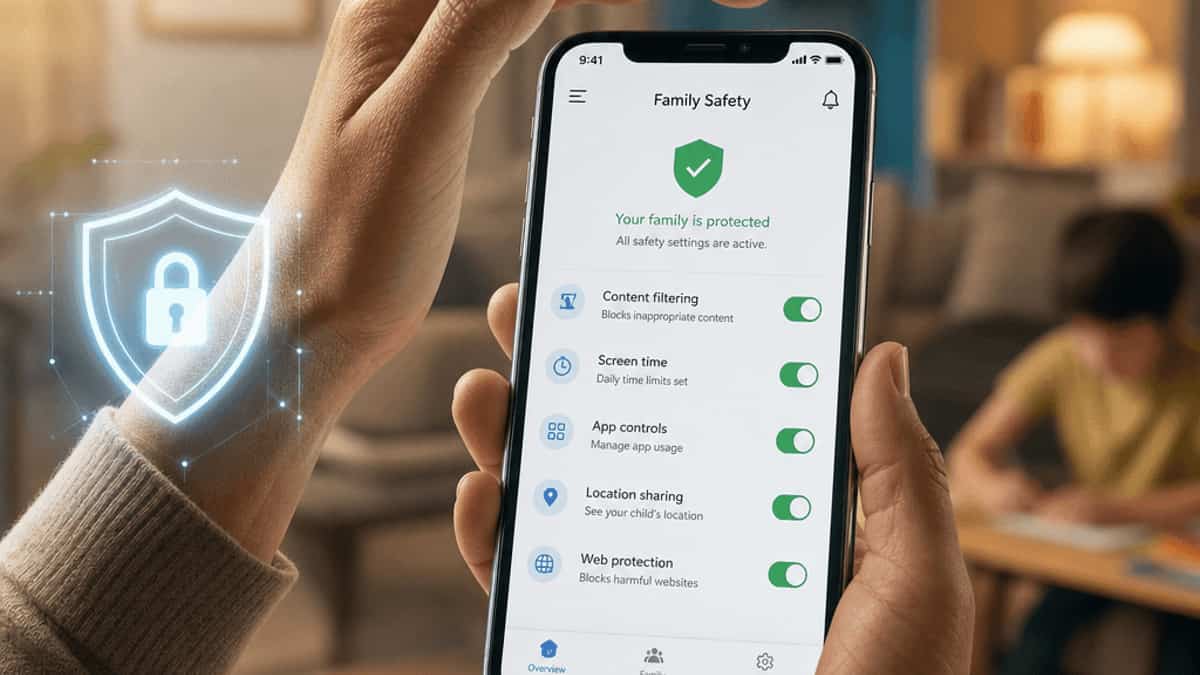
The UK government's move signals a significant shift towards mandatory enforcement of child safety measures on technology platforms, potentially impacting how millions of families use devices and raising privacy concerns.
The UK government is set to introduce legislation mandating child protection measures on smartphones and tablets after tech giants Apple and Google failed to meet a three-month deadline to automatically block explicit content. Prime Minister Keir Starmer's administration had expected the companies to activate existing filtering technologies, such as Apple's Communication Safety and Google's SafeSearch and Family Link, on devices used by minors. However, the government stated that the progress made by the companies did not meet the scale of the crisis.
Under the proposed legislation, companies that do not build child protection solutions into all existing and newly sold devices in the UK could face fines and potential criminal liability for their executives. Lisa Nandy, the secretary of state for digital, culture, media, and sport, introduced the legislation, noting that tech companies can innovate at an extraordinary pace when required. She also plans to explore similar requirements for apps like Instagram and Snapchat.
Apple stated that it shares the UK's commitment to combating online exploitation and abuse and has shared future plans to further strengthen its Communication Safety feature. Google indicated that its team has made progress and is committed to working with experts and legislators to keep children safe while protecting privacy. However, privacy advocates have raised concerns that such measures could lead to wider surveillance, with Signal previously warning of "invisible surveillance infrastructure."
Pick the topics you care about. Get only what matters, on your cadence.