Key facts
- Senior Conservative politicians allege the UK government covered up the influence of "extremist" Muslim groups on its definition of anti-Muslim hostility.
- Dominic Grieve, former Conservative minister and chair of the working group, stated no meetings occurred with individuals or organizations expressing unacceptable views.
- The communities ministry is reviewing the deletion of submissions to the working group, which a shadow minister called a "cover-up".
- Submissions were destroyed due to the volume of special category data, according to the department.
- Middle East Eye previously reported the working group was blocked from engaging with the Muslim Council of Britain.
- The working group consulted figures like Trevor Phillips, who had previously been suspended from the Labour party over Islamophobia allegations.
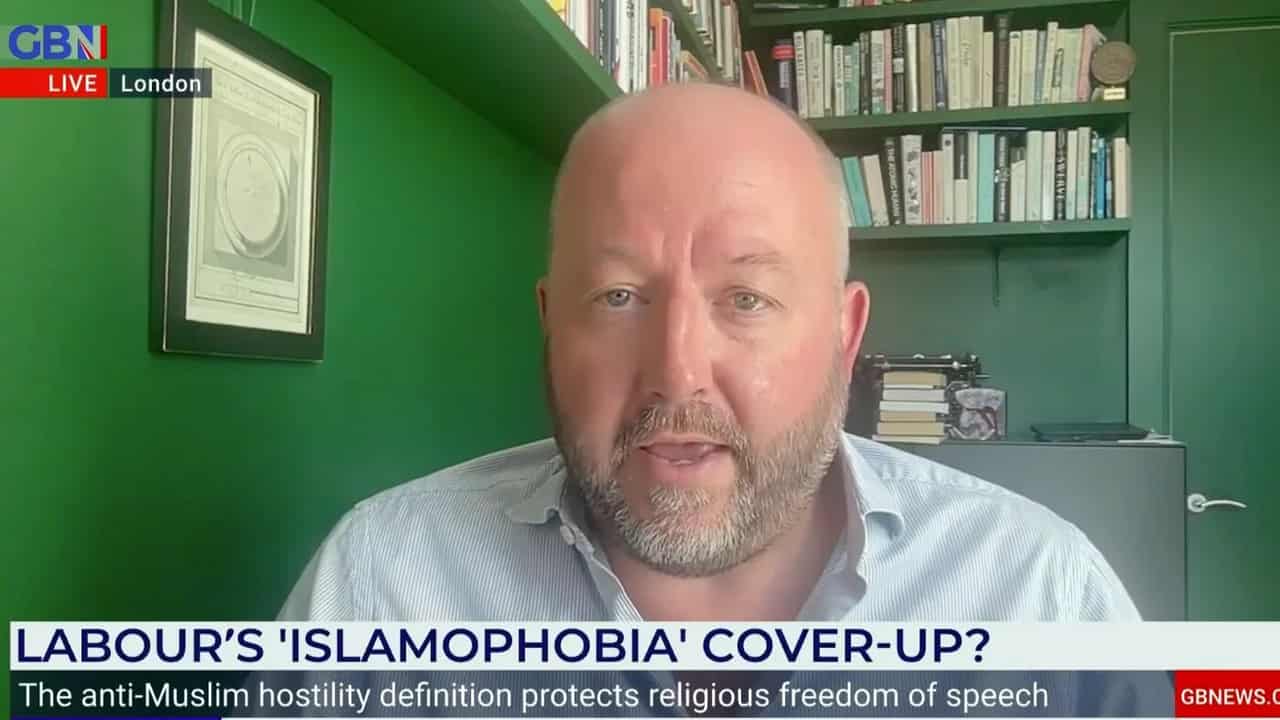
Senior Conservative politicians have accused the British government of a "cover-up" regarding the definition of anti-Muslim hostility, alleging that "extremist" Muslim groups likely influenced its creation. However, these claims have been undermined by previous reporting and interventions from Dominic Grieve, a former Conservative minister who chaired the working group responsible for the definition.
Nick Timothy, the shadow justice secretary, alleged that "extremists almost certainly influenced" the definition adopted by the Labour government earlier this year. Katie Lam, the shadow secretary of state for housing, communities and local government, questioned the public interest in "covering this up".
Middle East Eye previously revealed that the working group was blocked by the government from engaging with key Muslim groups, including the Muslim Council of Britain, while consulting figures themselves accused of Islamophobia. Grieve confirmed that the working group met with various individuals and organizations, but stated that no meetings took place with any groups or individuals identified as having expressed unacceptable views incompatible with a free democracy.
The communities ministry has launched a review into the deletion of submissions to the working group. Timothy characterized this as a "cover-up", but the department explained that the submissions were destroyed due to the "volume of special category data" that could not legally be retained. Government sources indicated that many unsolicited submissions contained severe abuse, including death threats.
Contrary to Timothy's assertion, the definition is of "anti-Muslim hostility," not "Islamophobia," a term the government no longer uses. The government denied the involvement of "extremist" groups in a statement to The Telegraph. Grieve criticized Timothy, suggesting he was a "rabble rouser mingling valid points with entirely disreputable and unsustainable ones."
Middle East Eye also reported that the working group invited the neoconservative think tank Policy Exchange, of which Timothy is a fellow, for consultation, but Policy Exchange declined. Policy Exchange has since heavily criticized the definition, with Paul Stott, head of security and extremism at the think tank, speculating in an article that "evidence from extremist groups may have influenced the deliberations."
The working group did consult groups such as the National Secular Society, Humanists UK, and the Community Security Trust. It also consulted Trevor Phillips, who had previously been suspended from the Labour party over Islamophobia allegations. However, the communities ministry informed the working group it could not consult the Muslim Council of Britain, citing a policy of "disengagement."
In response to a parliamentary question from Tory MP James Cleverly, the parliamentary under-secretary of state confirmed that the department does not engage with Mend, Cage, the Muslim Association of Britain, or the Muslim Council of Britain, and that the Working Group did not meet with any of these organizations. Grieve added that while anyone could submit opinions to the call for evidence, including those with "extreme hatred of Muslims," these were not considered individually.