Key facts
- UK Chancellor John Healey is under pressure to increase the banking surcharge on lenders' profits.
- The TUC advocates for raising the surcharge from 3% to 8%.
- Banks argue that higher taxes could harm their competitiveness and lending capacity.
- The AA is reportedly valued at £5bn by its private equity owners, attracting interest from Allianz.
- Aldermore, a challenger bank, is being sold by its parent company Firstrand.
- Indicative bids for Aldermore are expected early next week, with significant interest reported.
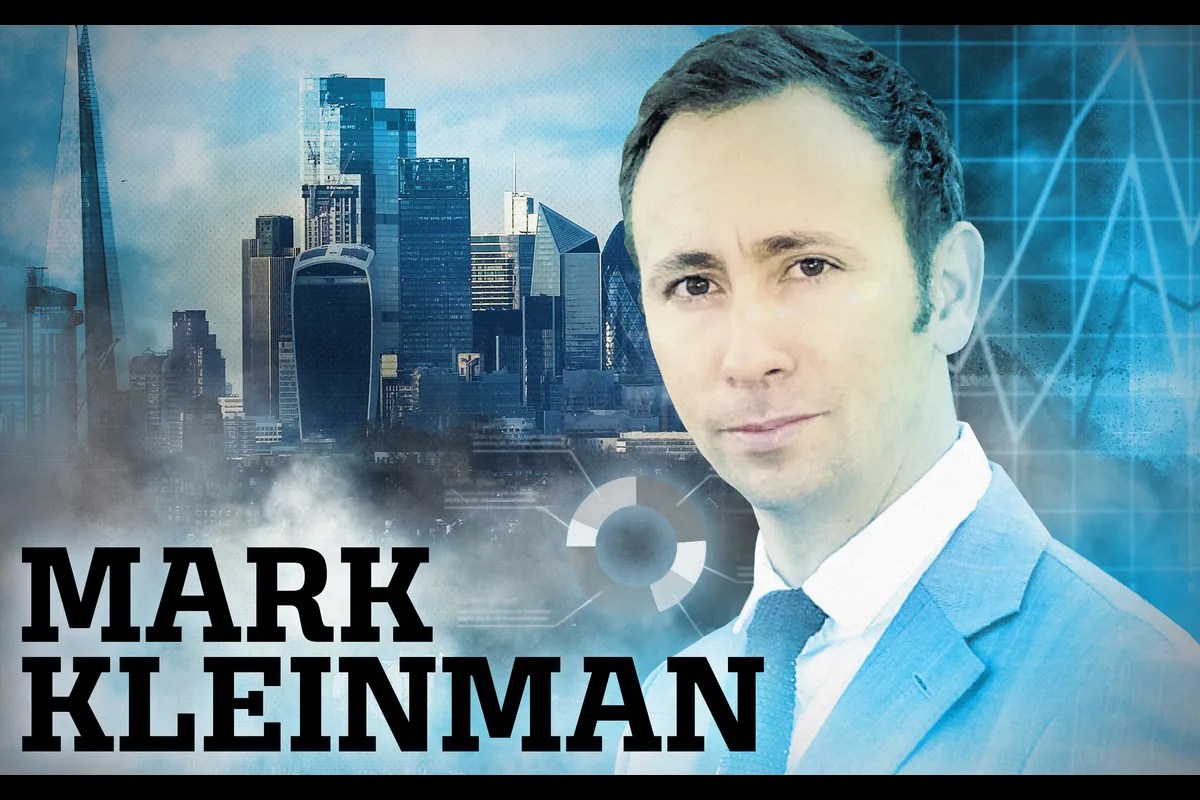
UK Chancellor John Healey is likely to face significant pressure to implement a windfall tax on banks, according to Sky News City editor Mark Kleinman. With major UK lenders reporting strong half-year earnings, the sector has become an attractive target for the Treasury to address fiscal challenges.
Adding to this pressure is the TUC's call to increase the banking surcharge on lenders' profits from 3% to 8%, a demand expected to grow louder around the Labour Party conference. Healey's inaugural fiscal statement on October 28 presents a key opportunity for such a move.
While banks, through UK Finance and figures like JP Morgan's Jamie Dimon, have voiced concerns about competitiveness and the impact on lending, many in the industry believe the temptation for Healey to extract more revenue will be too great to resist. Potential concessions, such as reforms to the ring-fencing regime, might be offered in exchange for a temporary tax increase.
In separate developments, the breakdown recovery firms AA and RAC are preparing for sales or stock market flotations. The AA's private equity backers are reportedly seeking £5bn, with German insurer Allianz showing takeover interest. Other suitors, including EQT, have also explored bids.
Meanwhile, Aldermore, a challenger bank burdened by a £750m motor finance mis-selling bill, is also up for sale. Despite initial expectations of low interest, several parties are reportedly showing strong interest, including Lloyds Banking Group, though private equity buyers like CVC Capital Partners and potentially Cerberus Capital Management are considered likely contenders.