Key facts
- UK Chancellor John Healey confirmed the October 28 Budget date.
- Pantheon Macroeconomics estimates Healey's fiscal cushion has fallen to £13 billion from £23.6 billion.
- A 0.25 percentage-point rise in UK gilt yields adds approximately £2.5 billion to annual debt-servicing costs.
- Ten-year gilt yields reached 5.268%, an 18-year peak.
- Healey told ministers they must be prepared to make cuts to finance new spending pledges.
- Healey's borrowing plan aims to raise public debt by £9 billion a year for investment.
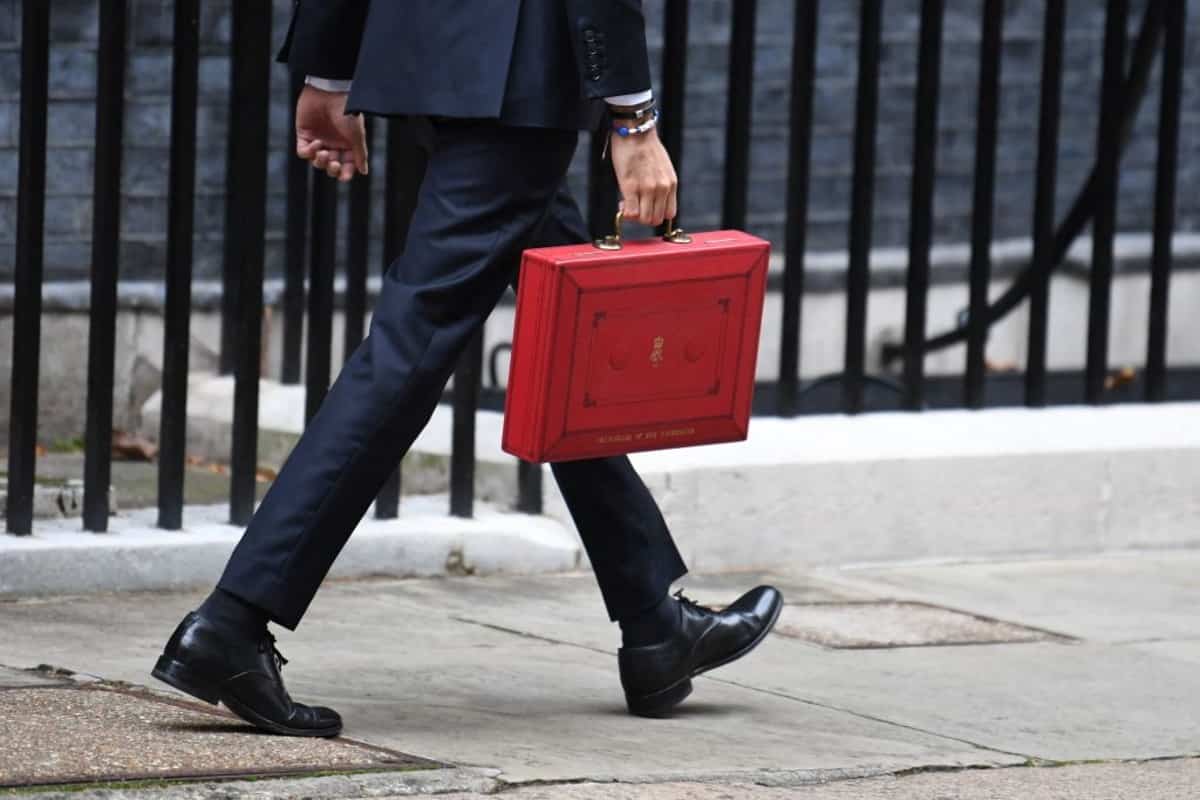
UK Chancellor John Healey has confirmed that the nation's Budget will be delivered on October 28, but faces a significantly narrowed fiscal room due to a global bond market sell-off. Analysts at Pantheon Macroeconomics estimate that renewed conflict in the Middle East has driven down Healey's fiscal cushion from £23.6 billion at the Spring Statement to approximately £13 billion. This reduction, largely due to a surge in gilt yields, creates a near-mathematical necessity for tax increases before any new spending can be considered.
Healey is expected to outline plans for greater devolution of powers to city regions, a key domestic project for Prime Minister Andy Burnham's government. However, the challenging financial backdrop, marked by the highest 10-year gilt yields since June 2008, presents a difficult environment for these ambitions. The Bank of England's policy decisions are influenced by the same inflationary pressures, such as elevated oil prices, that are driving gilt yields higher. This linkage directly impacts UK mortgage holders on variable or tracker rates, as higher gilt yields typically forecast higher mortgage rates.
Pantheon Macroeconomics analysis suggests Healey requires an annual consolidation of £11 billion through tax rises or spending cuts to restore the fiscal headroom to its March level. Healey has pledged that the Budget will be 'built on fiscal discipline' and 'meet our fiscal rules,' while also signalling that businesses and families will receive 'some of the stability they need to plan for the future.' He has also instructed ministers to prepare for spending cuts to finance new government priorities, acknowledging that reprioritization is necessary.
Separately, reports indicate Healey is considering a borrowing plan to raise public debt by £9 billion annually for investment in infrastructure, housing, and business. This plan is structured to align with Labour's fiscal rules by offsetting liabilities with acquired assets. However, analysts like Richard Carter of Quilter caution that markets may view increased borrowing unfavorably, potentially leading to higher gilt yields and substantial debt servicing costs, despite the relatively small scale of the proposed borrowing.