Key facts
- UK Chancellor Rachel Reeves is preparing to deliver a budget amid a challenging fiscal environment.
- Reeves has vowed to address a "£22bn black hole" and maintain economic and fiscal stability.
- Business leaders are seeking more detail on tax and spending plans, particularly regarding corporation tax and labor contracts.
- The UK has experienced weak economic growth and rising borrowing costs, with long-term bond yields reaching a near 30-year high.
- The government borrowed £17.4 billion in October to bridge the gap between revenue and spending.
UK Chancellor Rachel Reeves faces a significant challenge in balancing the nation's budget, with economists noting an "impossible trilemma" due to weak economic growth, high inflation, and a rapidly expanding national debt. The UK's GDP growth has lagged behind other G7 nations, and borrowing costs have surged, with long-term government bond yields reaching their highest level in nearly 30 years. In October alone, the government borrowed £17.4 billion to cover the deficit between tax revenues and spending.
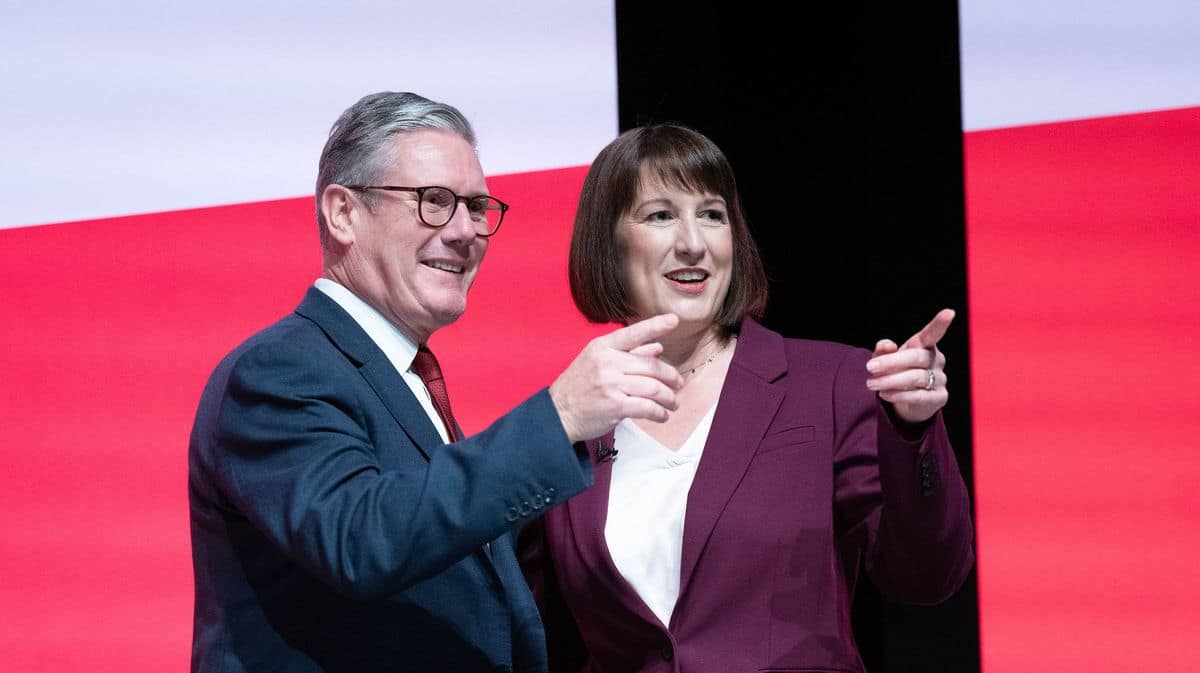
At the Labour Party conference in Liverpool, Reeves vowed to deliver a budget with "real ambition" to "fix the foundations" and "rebuild Britain," emphasizing economic and fiscal stability and promising no return to austerity. She contrasted Labour's approach with Liz Truss's short-lived administration, stating that "stability paired with reform will forge the conditions for businesses to invest and for consumers to spend with confidence." Key business concerns discussed included the corporation tax cap, the ban on zero-hour contracts, and the end of 'fire-and-rehire' practices.
Business leaders, while reacting positively to Reeves's speech, are seeking more concrete details on how the government plans to address the fiscal challenges and implement its industrial strategy. Shevaun Haviland, director-general of the British Chambers of Commerce, noted that businesses would invest more if they saw a clear long-term economic plan and urged for "delivery" on priorities like planning reform and grid connectivity. Make UK's chief executive Stephen Phipson also called for "meat on the bones of the industrial strategy."