Key facts
- Uber agreed to acquire Delivery Hero's foodpanda operations in Southeast Asia for approximately $14.8 billion.
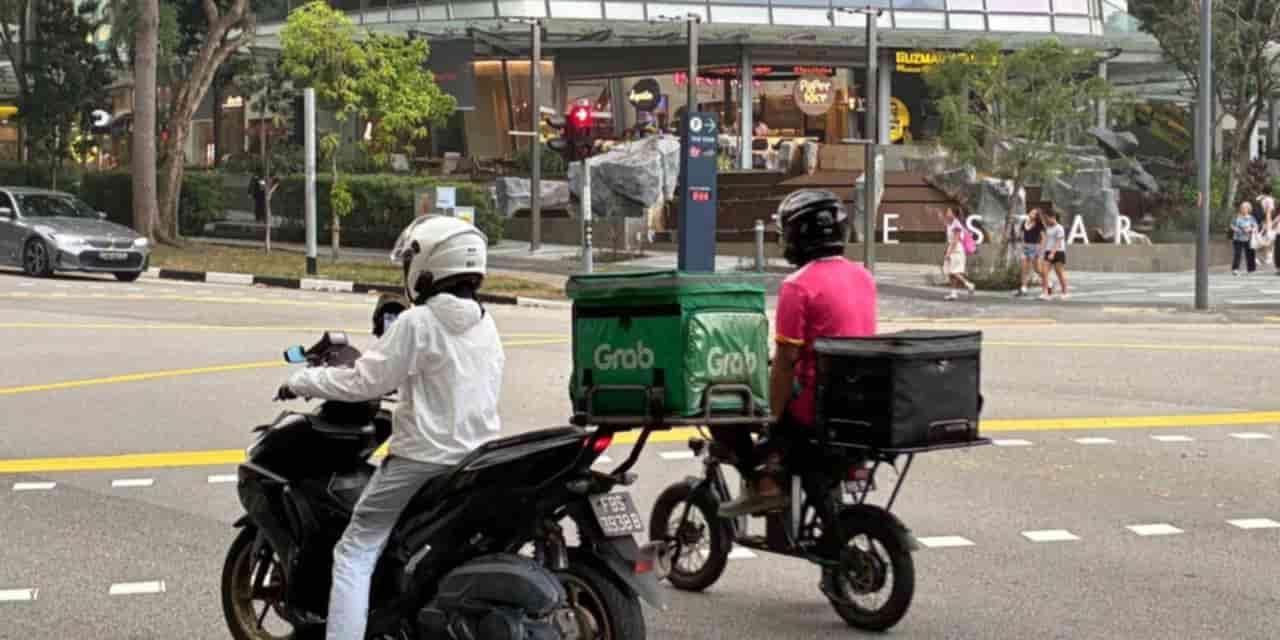
- The deal includes foodpanda's business in Singapore, where it competes with Grab.
- Uber is already a significant shareholder in Grab, creating a potential conflict of interest.
- Foodpanda sold its Taiwan business to Grab for $600 million in March 2026.
- The acquisition is expected to intensify competition in Singapore's food and grocery delivery market.
- The deal faces scrutiny from competition regulators across the region, including in Singapore.
Uber has agreed to acquire Delivery Hero's foodpanda operations across Southeast Asia, including Singapore, for approximately $14.8 billion. This move intensifies the competition in the region's food and grocery delivery market, particularly in Singapore, where Grab is a dominant player.
The deal, announced on July 16, positions Uber to compete directly with Grab, a company in which it is a significant shareholder, holding an estimated 14% economic interest. This relationship stems from a 2018 deal where Grab acquired Uber's Southeast Asian business.
Analysts like Jianggan Li of Momentum Works suggest that Delivery Hero's decline was largely self-inflicted, with nimbler Asian operators out-executing it. Foodpanda has recently exited several markets, including selling its Taiwan business to Grab for $600 million in March 2026. Uber's previous attempt to acquire that same Taiwan unit was blocked by regulators due to near 90% combined market share concerns.
The acquisition is expected to close in the second half of 2027 and will likely face rigorous scrutiny from competition regulators across Southeast Asia, including Singapore's. The key question remains whether Uber will invest significantly in foodpanda as a competitive brand or if the acquisition is merely a consolidation of regional assets.