Key facts
- Typhoon Noul made landfall in Guangdong, China, leading to the evacuation of over 700,000 people.
- Heavy rains associated with the typhoon caused mudslides, stranding tourists at the Jiuzhaigou World Heritage site.
- China issued its highest red warning for flash floods across multiple provinces.
- A flash flood in Gansu Province killed 10 people and injured 23, with 174 rescued.
- Severe weather alerts were issued across Gansu province due to heavy rainfall, despite being far from the typhoon's path.
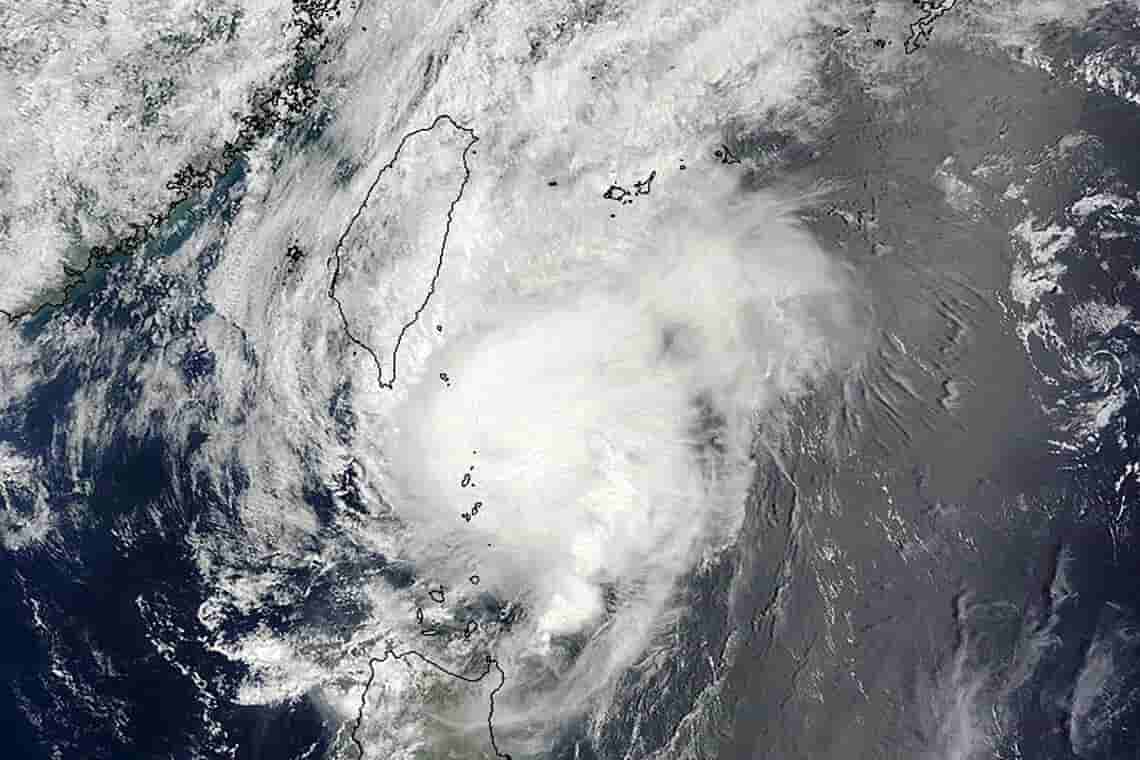
Typhoon Noul made landfall in Guangdong, China, triggering widespread torrential rains and prompting mass evacuations and flash flood alerts. Over 700,000 people were evacuated in Guangdong province alone. The storm's heavy rainfall has also caused mudslides, leading to the evacuation of stranded tourists from the famed Jiuzhaigou World Heritage site in southwestern Sichuan province.
Authorities issued the highest red warning for flash floods across multiple provinces, including Jiangxi, Hunan, Guangdong, Sichuan, Shaanxi, Gansu, and southeastern Xinjiang. A flash flood caused by heavy rain struck a tourist site in northwestern China on Sunday, killing 10 people and injuring 23, according to reports on state-run broadcasters. The injured have been sent to the hospital for treatment and another 174 people have been rescued.
Parts of Gansu – which is far from Noul's path – also experienced heavy rainfall on Sunday, with local authorities across the province issuing severe weather alerts, and ordering residents to remain indoors, heed safety instructions and exercise caution. Weather experts predict that extreme rainfall events will become more frequent and intense in the coming weeks, with much of northern China expected to receive significantly more precipitation than usual. The severe weather coincides with China's peak flood control period.