Key facts
- President Trump wants Iran included in a sanctions bill targeting Russia.
- The proposed legislation, the Sanctioning Russia Act of 2026, aims to pressure Russia's war finances.
- The bill targets major buyers of Russian oil and natural gas with tariffs up to 100%.
- It also includes sanctions against Russian leadership, state-owned enterprises, and the 'shadow fleet'.
- The legislation allows for presidential waiver of sanctions under specific conditions.
- The bill faces potential opposition in the House of Representatives over tariff authority.
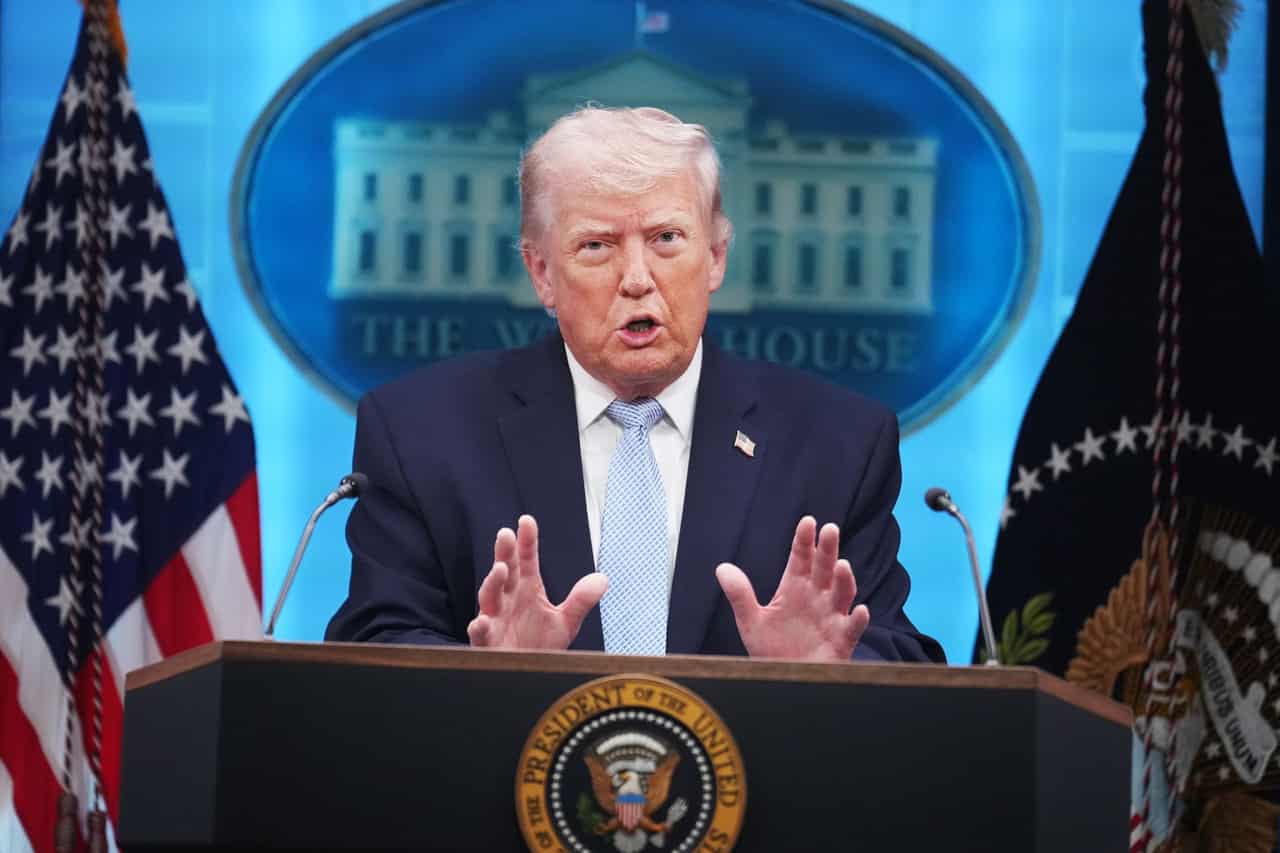
President Donald Trump has called for the inclusion of Iran in a sanctions bill targeting Russia, a move that could potentially delay the legislation's passage. The Sanctioning Russia Act of 2026, introduced by a bipartisan group of US senators, aims to increase financial pressure on Moscow by imposing tariffs on major purchasers of Russian oil and natural gas.
The revised bill, which has garnered significant bipartisan support in the Senate, includes provisions for sanctions against Russian leadership, state-owned enterprises, and the 'shadow fleet' of oil tankers used to circumvent existing restrictions. It also grants the president authority to waive sanctions under certain circumstances, a compromise reached after extensive negotiations with the Trump administration.
Senator Lindsey Graham, a key architect of the bill, had expressed optimism about White House approval shortly before his death. Senate leaders are now pushing for an immediate vote in his honor. However, President Trump's suggestion to add sanctions targeting Iran and Hezbollah has met with opposition from some senators who believe the bill already has sufficient approval and should proceed without further changes.
Concerns have also been raised in the House of Representatives, with some Democrats arguing that the bill grants President Trump excessive tariff authority rather than mandating automatic sanctions. This criticism highlights a potential hurdle as the legislation moves toward a vote.