Key facts
- President Trump announced 50% tariffs on a wide range of Canadian goods.
- The tariffs are a response to Canadian policies on autos, dairy, and provincial alcohol bans.
- The tariffs are scheduled to take effect on August 19.
- Canadian Prime Minister Mark Carney and President Trump agreed to intensify trade talks.
- The U.S. decision not to extend the United States-Mexico-Canada Agreement for another 16 years leaves the trade deal in force, requiring annual reviews.
Separate U.S. negotiating tracks for Canada and Mexico are testing North America's trilateral free trade zone, with the U.S. potentially forcing concessions on Canada that Mexico agrees to in its more advanced talks. President Donald Trump's decision not to extend the United States-Mexico-Canada Agreement (USMCA) for another 16 years leaves the trade deal in force, but requires annual reviews until 2036.
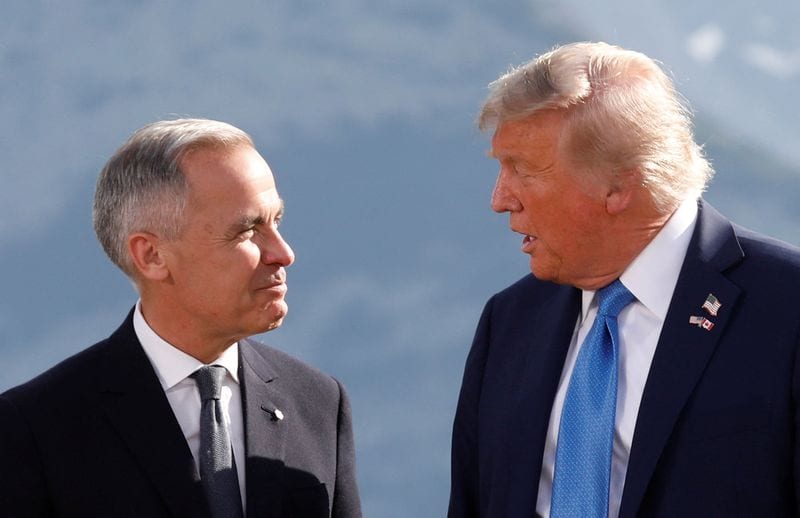
Trump increased pressure on Canada by imposing 50% tariffs on a wide range of goods, effective August 19, citing Canadian policies on autos, dairy, and provincial alcohol bans. Canadian Prime Minister Mark Carney and Trump have agreed to intensify trade talks, though Mexico's talks are reportedly six months more advanced.
High economic stakes are involved for Canada and Mexico, as most of their exports go to the U.S., impacting automakers and companies with cross-border production networks. Experts note the difficulty in aligning separate processes given different trade realities, political constraints, and strained relations between Trump and Carney.
Mexico and Canada had initially sought to extend the trilateral pact but agreed to bilateral talks. Mexico has taken steps to address U.S. complaints, including tariffs on non-free-trade partners and tighter customs rules. Canadian officials, however, dispute being behind in talks and have put forward proposals for a balanced North American economy.
The core risk is that bilateral talks could set a precedent for a trilateral deal. Mexican officials want to keep the USMCA trilateral and would resist proposals that explicitly break it apart. Canadian negotiators aim for a good deal, not necessarily a fast one, with the 10-year review timeframe potentially allowing Carney to negotiate with a different U.S. president.