All NewsEducationTV
Equities & FundsCrypto & Digital AssetsAI & TechnologyBusiness & CorporateUS Politics & PolicyGeopolitics & Global RiskMacro, Rates & FXCommodities & EnergyEuropean Politics & MarketsAsia-PacificReal Estate & Property
All NewsHome
← Back to US Politics & Policy

Trump's order to cut South Korea drills lands awkwardly for Seoul

Created at 18 Aug · 9:40 PM2 sources↑ Market-relevant2 events
IN SHORT

President Trump's directive to halt joint military exercises with South Korea, intended to facilitate dialogue with Pyongyang, has created political unease in Seoul. While some see diplomatic potential, others fear weakened deterrence and South Korea being sidelined in its own security.

Key Numbers

70%public support for independent nuclear deterrent

Who's Involved

Donald Trump
U.S. President who ordered halt to joint military exercises
Lee Jae Myung
South Korean president advocating for reduced military posturing
Jaechun Kim
Professor of international relations at Sogang University

↳ Why This Matters

The decision to halt joint military exercises impacts regional security dynamics, potentially weakening deterrence against North Korea and straining the U.S.-South Korea alliance. It also highlights evolving U.S. foreign policy approaches and could influence South Korea's long-term defense strategy, including its nuclear posture.

Key facts

  • President Trump ordered a halt to joint military exercises with South Korea.
  • The decision was delivered unilaterally via social media.
  • South Korean President Lee Jae Myung had previously advocated for reduced military posturing to foster dialogue with North Korea.
  • The move has caused political division in South Korea, with some fearing weakened deterrence.
  • Concerns exist that South Korea may be sidelined in decisions affecting its security.
  • The decision could increase support for an independent South Korean nuclear deterrent.

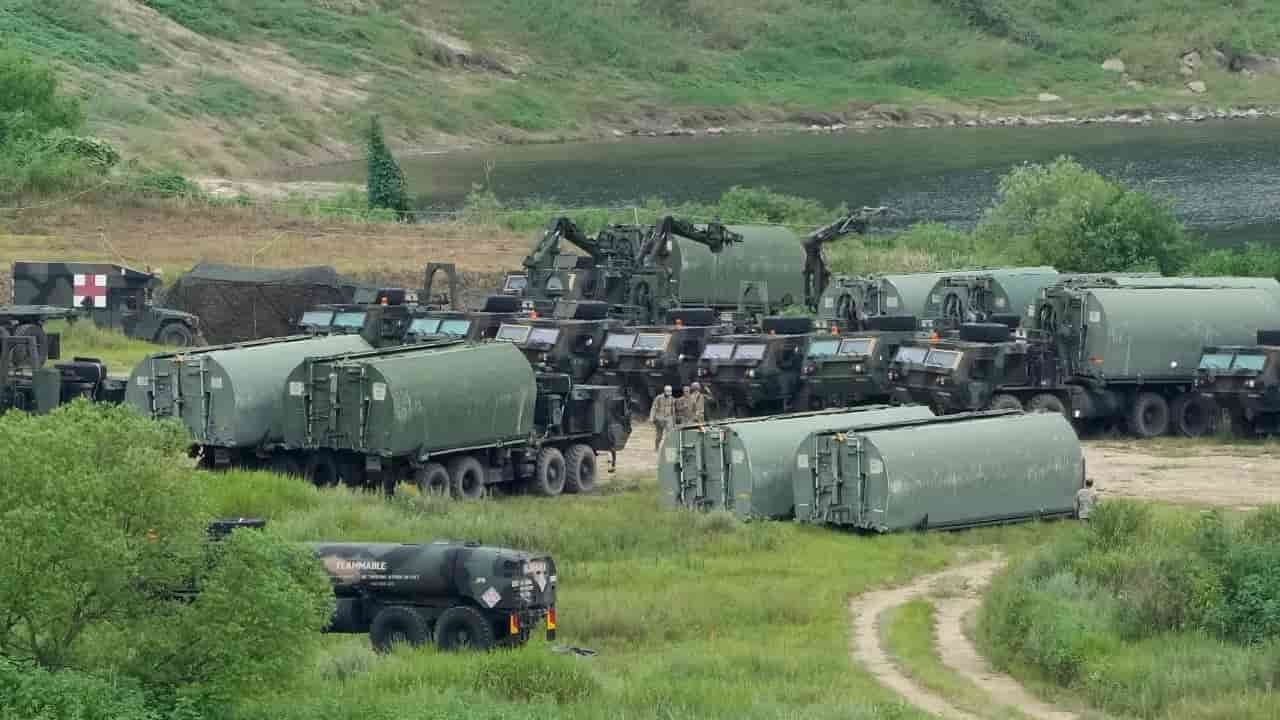
President Trump has ordered a halt to joint military exercises with South Korea, a move that echoes South Korean President Lee Jae Myung's stated desire to reduce military posturing and revive dialogue with Pyongyang. The decision, delivered abruptly via social media, has created political unease in Seoul, inverting traditional political divides. While some see potential diplomatic benefits, louder concerns focus on a weakened deterrence and South Korea being sidelined in security decisions, potentially straining the long-standing alliance.

Lee's approach has consistently emphasized South Korea taking more responsibility for its own defense and reducing reliance on external powers. The current decision, however, places the center-left South Korean president in an awkward position, as a right-wing U.S. president imposes a policy some on the left have long advocated. Opposition conservative parties have decried the move as a "security disaster" and warned of Seoul being marginalized, while progressive newspapers have largely focused their criticism on the unilateral and disrespectful delivery of the directive.

Experts suggest the episode may deepen doubts about Washington's commitment to its allies, reinforcing the perception of U.S. obligations being viewed through a "transactional lens." This could influence how South Koreans judge U.S. reliability long-term and potentially strengthen calls for an independent nuclear deterrent, especially given public support for such a program. Professor Jaechun Kim anticipates Pyongyang will welcome any friction within the alliance but doubts improving relations with Washington is a priority for North Korea, given its increased backing from China and Russia.

Frequently asked questions

President Trump ordered a halt to joint military exercises between the U.S. and South Korea, delivered via social media.

Lee advocates for reducing military posturing and making peace overtures to revive dialogue, emphasizing South Korea's self-reliance in defense.

Concerns include a weakened deterrence, South Korea being sidelined in security decisions, and potential strain on the U.S.-South Korea alliance.

It could strengthen public support for an independent nuclear deterrent in South Korea.

What Happens Next

01Defense officials will execute the commander-in-chief's directive.
02The full impact on future joint exercises will become clearer.

How It Developed

President Trump ordered changes to U.S. military exercises with South Korea.
The directive was delivered via social media hours before scheduled drills.
South Korean President Lee Jae Myung had previously sought to dial down military posturing to revive dialogue with North Korea.
The decision has inverted traditional political divides in South Korea regarding North Korea policy.
Some in Seoul express concern over weakened deterrence and being sidelined in security decisions.
Opposition parties in South Korea have called the move a "security disaster."
Progressive newspapers largely objected only to the unilateral and disrespectful delivery of the decision.
The episode may deepen doubts about Washington's commitment to allies and reinforce a transactional view of U.S. obligations.

Sources

T1
In cutting joint drills, Trump has given South Korea’s president what he wants. So why does Seoul look so uneasy?The Guardian
T1
Trump’s threats to Seoul may be worse than their bitePolitico

Related Stories

Seoul not notified in advance of Trump's order to scale back drills: FM Cho
19 Aug · 5:21 AM
South Korea, U.S. Scale Back Joint Military Drills After Trump Directive
18 Aug · 7:51 AM
Japan braces for Trump demands on defense, yen ahead of US midterms
18 Aug · 3:51 PM
Trump Pauses Tariffs on Canadian Goods Amid Trade Deal
18 Aug · 7:21 PM
South Korea in close consultation with U.S. over military exercises
18 Aug · 11:06 AM