The Trump administration is reportedly reinterpreting the Endangered Species Act (ESA) to allow for the incidental killing of endangered animals, a move that has alarmed conservationists. An internal memo distributed across U.S. Fish and Wildlife Service (FWS) field offices on September 14, and reported by The New York Times, directs staff to only prohibit actions that specifically intend to target a vulnerable animal. This means that actions causing preventable deaths, such as habitat modification or inadvertently striking an animal, will no longer be prohibited unless the primary intent was to harm the animal.
FWS Director Brian Nesvik's memo provided examples, stating that a vessel inadvertently striking a whale would not be considered a "take" because the vessel's course was not set against the whale. Similarly, felling a tree with bats roosting in it would not be a "take" unless the purpose was to kill or capture the bats.
Environmental advocates are particularly concerned because this follows an earlier rule change this year that removed the destruction of habitat from the ESA's definition of harm. While the administration had previously stated the goal was to prevent extra costs to landowners, this new interpretation goes further by permitting animal deaths even if not motivated by intent to kill. Ben Levitan, a senior attorney for Earthjustice, described the approach as "incredibly sneaky and disingenuous."
Incidental takings are the most common cause of death for endangered animals, according to The New York Times. Previously, businesses were required to conduct environmental reviews, preserve critical habitats, or offset any accidental killings through conservation donations. The new interpretation could significantly weaken the ESA's protections.
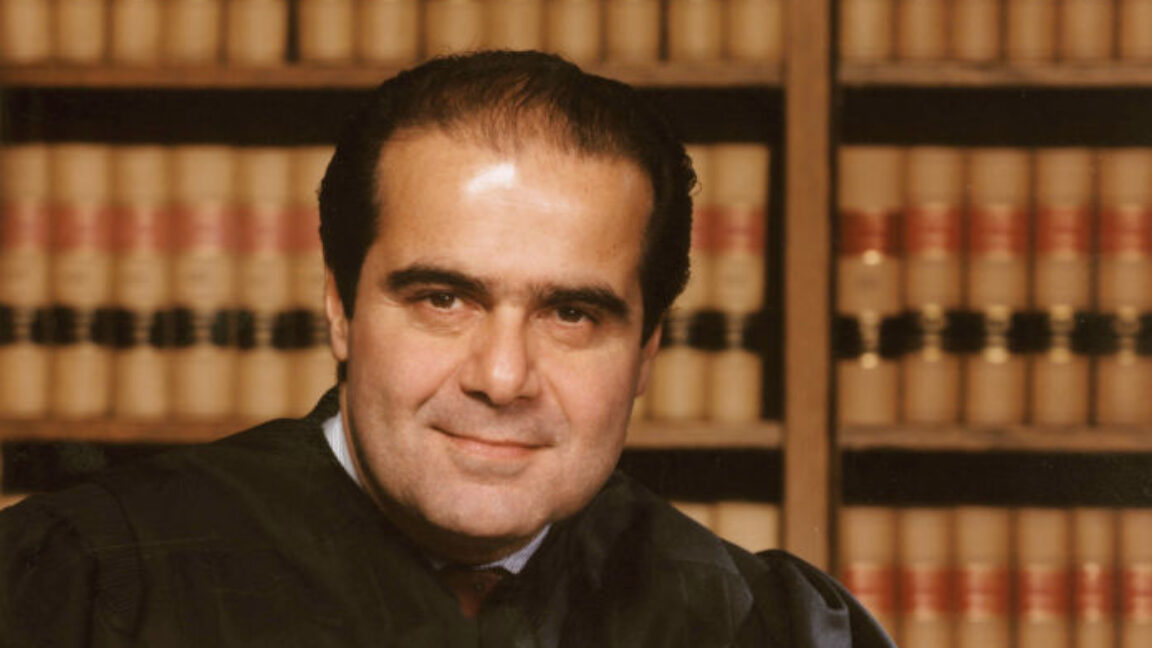
The administration's strategy is reportedly drawing from a 1995 Supreme Court dissent penned by Justice Antonin Scalia. In that dissent, Scalia argued that the ESA was intended to prohibit intentional hunting and killing, not to broadly protect species at the population level or prevent accidental deaths. He criticized the majority's interpretation that habitat modification could injure animals, particularly in the context of breeding grounds. Justice Sandra Day O’Connor, in a concurring opinion, had argued that destroying the last remaining breeding ground for a species would injure the population and individual animals. Scalia, however, dismissed such interpretations as "imaginative" and suggested that animals, like slugs, might not be capable of "painful sentiments."