Key facts
- The Trump administration plans to impose a 15% tariff on polysilicon derivative products.
- The administration is expected to soon release findings from its Section 232 investigation into foreign polysilicon imports.
The Trump administration plans to impose a 15% tariff on polysilicon derivative products and is expected to reject industry requests for a quicker implementation timeline. The move aims to protect domestic polysilicon production.
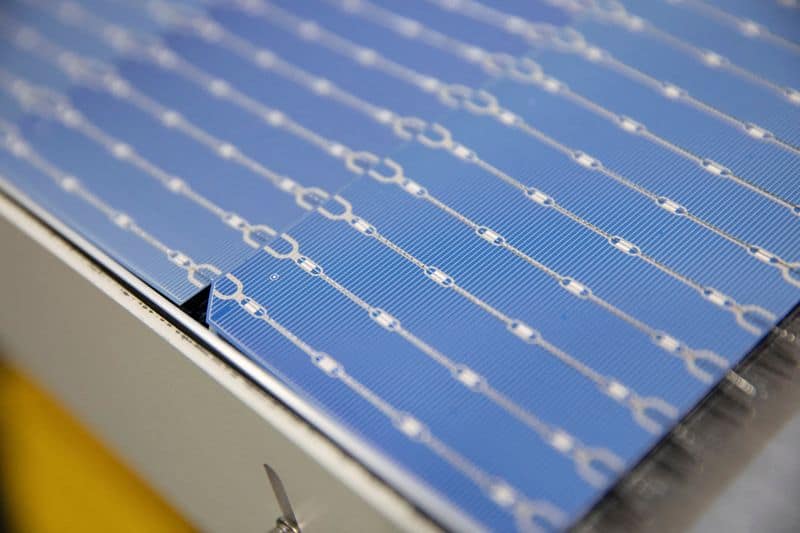
The planned tariffs and delayed implementation will impact the cost and availability of polysilicon derivatives, affecting the U.S. solar and semiconductor industries and potentially influencing trade dynamics with China.
The Trump administration is planning to impose a 15% tariff on polysilicon derivative products and is expected to soon release the findings of its Section 232 investigation into foreign imports of polysilicon. Polysilicon is a critical component for both semiconductors and solar panels. The investigations are being conducted under Section 232 of the Trade Expansion Act of 1962, which allows the president to restrict imports deemed to threaten national security. Some U.S. solar manufacturers have been lobbying the administration for a 90-day implementation timeline for the new tariff and price floor, arguing that an extra month would give China, a top producer, too much time to sell into the United States, potentially hurting U.S. rivals. However, the administration is expected to reject these requests for a speedier timeline, favoring a longer implementation period.
Pick the topics you care about. Get only what matters, on your cadence.