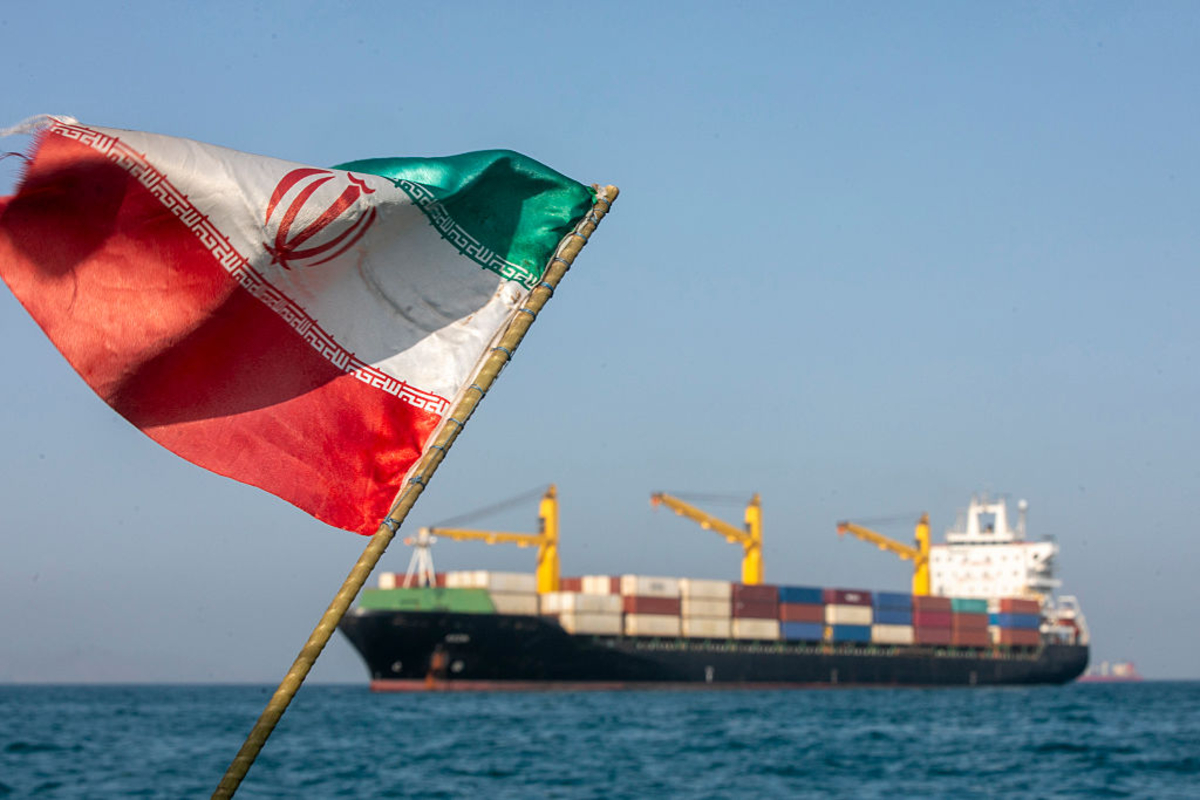
Shipping firms are hesitant to transit the Strait of Hormuz, even after reports of a peace deal between the United States and Iran. Jotaro Tamura, chief executive officer at Mitsui OSK Lines, indicated that a return to normal trading levels, with approximately 150 vessels transiting daily, is unlikely this year and will require substantial evidence of safety. He suggested it could take weeks or even a month for conditions to normalize.
Despite this caution, two tankers that were en route to Africa have altered their course and are now signaling Fujairah, a UAE port located just outside the Strait of Hormuz, as their destination. This movement suggests a degree of optimism within the industry regarding the potential reopening of the critical chokepoint.
Earlier this week, news of a potential peace deal caused oil prices to decline, but uncertainty surrounding the progress and timeline for normalizing tanker flows has capped further gains. The Trump administration had previously explored options such as offering 'VIP passes' or charging fees for expedited passage through the Strait, potentially with military escorts, to encourage navigation and deter Iran. However, previous attempts to offer political insurance to ship owners saw limited success due to persistent security risks.
Conversely, Lars Barstad, chief executive of Frontline, expressed optimism that tanker traffic would rebound quickly once the Strait reopens following an agreement between the U.S. and Iran not to attack shipping.