Key facts
- Toyota will begin production of a next-generation electric SUV in China in fall 2025.
- The automaker is increasingly relying on Chinese platforms and technology for EV development.
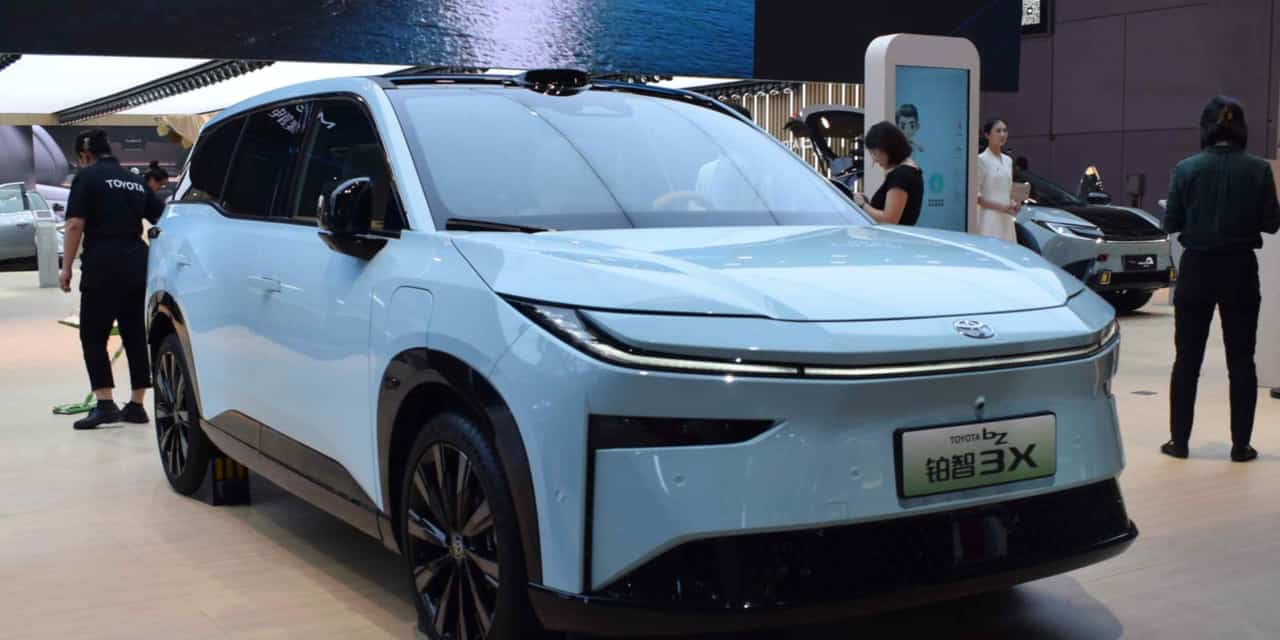
- New models like the bZ7 sedan and bZ3X SUV incorporate technology from Huawei, Xiaomi, and Momenta.
- Lexus plans to start local EV production in Shanghai in 2027, with Chinese engineers leading R&D.
- Japanese automakers are adopting Chinese platforms and advanced technologies for global markets.
Toyota Motor plans to begin production of a next-generation electric sport utility vehicle in China in the fall of 2025, signaling a significant shift in its global EV strategy. The move comes as the automotive industry increasingly centers on China's vast market and advanced technological capabilities.
The Japanese automaker is deepening collaborations with Chinese technology giants, including Huawei, Xiaomi, and Momenta, to develop new dedicated EV platforms and integrate intelligent driving systems. The upcoming electric SUV will leverage gigacasting technology and advanced features, reflecting a broader trend among Japanese manufacturers to adopt Chinese platforms and core technologies for their global offerings.
Toyota's joint venture, GAC Toyota, has unveiled an ambitious roadmap that includes tie-ups with these Chinese tech firms to better align products with local consumer desires. The premium bZ7 sedan, launching in March 2026, will be the first Toyota globally to feature Huawei's HarmonyOS 5.0 running on Kirin chips, with co-developed AI voice assistants. The bZ3X SUV will debut Momenta's 6.0 intelligent driving system, featuring predictive hazard detection and advanced urban driving capabilities.
Beyond these specific models, Lexus, Toyota's luxury brand, plans to establish local EV production in Shanghai by 2027, with Chinese engineers expected to lead research and development. This strategy aims to absorb Chinese manufacturing methods and competitiveness before developing in-house models. Other Japanese automakers like Honda and Nissan are also increasingly leaning on Chinese partners for new vehicle development, with Honda announcing plans to use GAC's platform and Nissan developing models with Dongfeng Motor.
This shift highlights China's growing influence in the global automotive sector. Chinese automakers have doubled their global market share to 25% over the past decade, while Japan's share has slipped to 26%. China's industry has built an edge through extensive use of robotics and AI, enabling faster development cycles and greater self-sufficiency. This approach treats cars more like digital products, contrasting with Japan's traditional focus on component integration and finish quality.