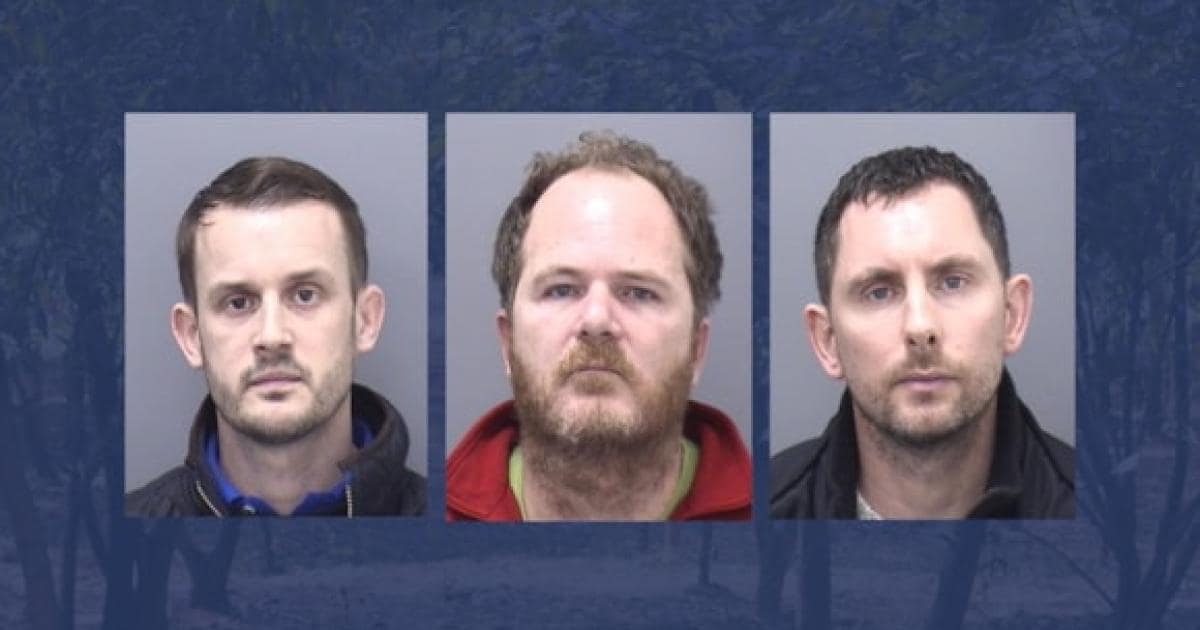
Key facts
- Three directors of Ethical Forestry Ltd (EFL) were jailed for a £70 million investment scam.
- Matthew Pickard was sentenced to six years, Stephen Greenaway to five years and three months, and Paul Laver to four and a half years.
- The scheme defrauded approximately 3,000 UK investors between 2008 and 2015.
- Investor funds were used for luxury holidays, supercars, and properties, while the company was 'hollowed out'.
- Victims lost their savings and pensions, with some facing financial ruin.
- £14 million was withdrawn from the company through a tax avoidance scheme, and £2.77 million was diverted to administer it.
Three directors of a Dorset-based tree-planting company have been jailed for orchestrating a £70 million investment scam that defrauded nearly 3,000 victims. Matthew Pickard, Stephen Greenaway, and Paul Laver convinced investors to put their savings and pensions into Ethical Forestry Ltd (EFL) with promises of substantial returns from a tree-planting scheme in Costa Rica.
Between 2008 and 2015, the directors systematically 'hollowed out' the company, withdrawing £14 million through a tax avoidance scheme and diverting £2.77 million to administer it. This financial drain, coupled with a significant unpaid tax bill, led to EFL's collapse in 2015. Investors lost their money, with many left reliant on state benefits and facing severe financial hardship, ill health, and anxiety.
During the period of the fraud, the directors indulged in lavish spending, purchasing multimillion-pound properties, luxury holidays in destinations worldwide, and a collection of high-end supercars. The court heard that funds were treated as 'disposable income' and spent as if they had 'won the lottery'. While trees were planted in Costa Rica, no funds were set aside for their maintenance or eventual harvest, making the promised returns impossible.
Pickard was sentenced to six years in prison, Greenaway to five years and three months, and Laver to four and a half years. The Serious Fraud Office (SFO) led the investigation, exposing the fraudulent operation that used cold-calling and glossy brochures to lure victims, many of whom transferred their existing pension funds into the scheme.