Key facts
- Bexar County, Texas, was found liable for violating thousands of Americans' Fourth Amendment rights.
- The county's criminal interdiction unit used AI-powered license plate readers to flag drivers.
A federal jury found Bexar County, Texas, liable for systematically violating thousands of Americans' Fourth Amendment rights through a criminal interdiction unit. The unit used AI-powered license plate readers to flag drivers for pretextual traffic stops, leading to invasive interrogations and searches.
The verdict establishes that the use of AI surveillance for pretextual stops and the alleged manipulation of K-9 alerts to justify searches violate constitutional rights, potentially impacting law enforcement practices nationwide.
A federal jury on Monday found Bexar County, Texas, liable for systematically violating thousands of Americans' Fourth Amendment rights over several years through its criminal interdiction unit. The ruling underscores that the Constitution requires searches to be reasonable and prohibits dragnet policing.
The unit employed a five-step process that began with a nationwide network of AI-powered license plate readers. These cameras would alert local law enforcement to any travel deemed abnormal, prompting deputies to conduct pretextual traffic stops. According to the lawsuit filed by the Institute for Justice, if drivers refused to consent to a search, officers would allegedly use a K-9 alert, sometimes from a manipulated dog, to establish probable cause.
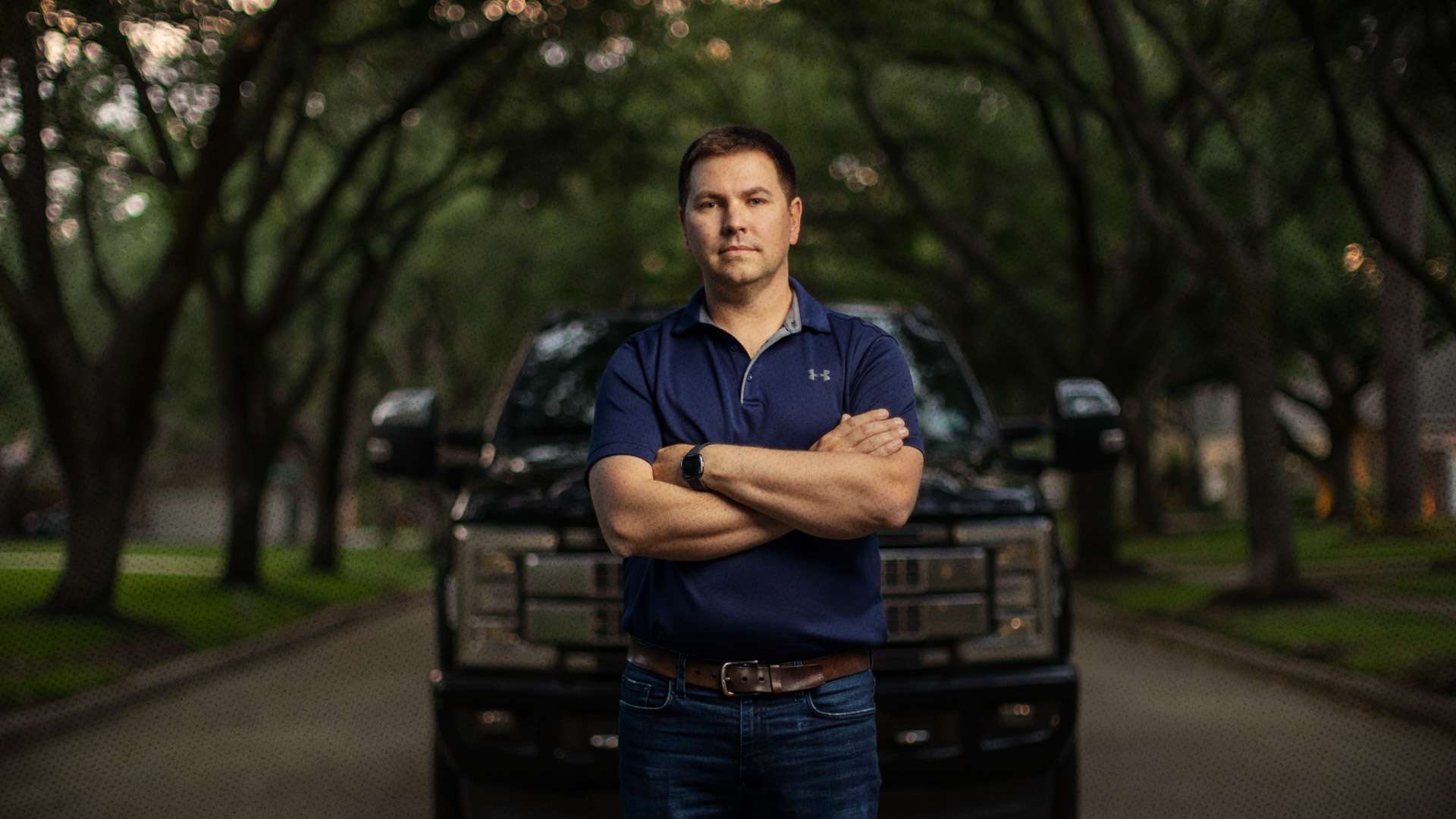
Alek Schott, a driver from Texas, was stopped on March 16, 2022, by Deputy Joel Babb for allegedly drifting lanes. What began as a traffic stop evolved into an hourlong interrogation about Schott's travel and personal life. Deputy Babb admitted the stop was not about a traffic violation but rather to look for smuggling activities. Schott refused a vehicle search, but a K-9 unit was called, and the dog alerted. Despite the alert, officers found nothing during a 40-minute search of his truck. Schott's dashcam footage later indicated he had not drifted lanes. He filed a complaint, but the agency reportedly suggested he file a lawsuit, which he did.
Pick the topics you care about. Get only what matters, on your cadence.