Key facts
- Taiwan plans to let senior pilots serve until 58, up from current limits of about 48 for lieutenant colonels and 52 for colonels.
- The proposal aims to retain 72 experienced pilots with at least 14 years of service.
- The plan is part of efforts to address a shortage of experienced pilots as Taiwan receives 66 new F-16V Block 70 fighter jets.
- Pilots retained under the scheme will keep their current rank and receive continued-service bonuses and enhanced aircrew allowances.
- The air force's pilot cadet intake has met training needs, with recruitment rates above 96% in recent years.
Taiwan's Ministry of National Defense is proposing to extend the service age for its fighter pilots to 58, a significant increase from current retirement limits, in an effort to retain experienced aviators. The plan, submitted to the Executive Yuan for review on September 4, 2026, aims to address a growing concern of having advanced fighter jets without enough qualified pilots to fly them.
The proposal targets 72 senior lieutenant colonels and colonels who have served at least 14 years and possess high qualifications. These pilots would be offered the option to continue serving in dedicated roles, retaining their current rank and receiving incentives such as continued-service bonuses and enhanced aircrew allowances. They would be exempt from the existing service caps of 26 years for lieutenant colonels (around 48 years old) and 30 years for colonels (around 52 years old).
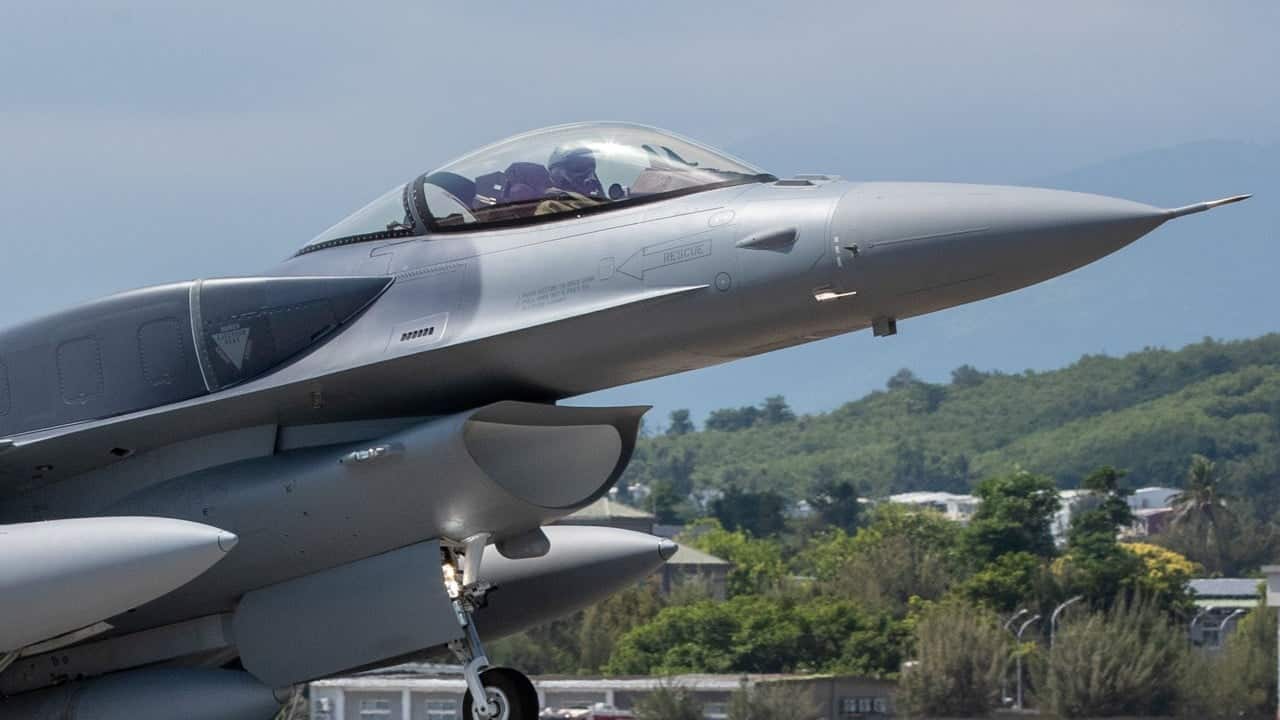
This initiative comes as Taiwan's air force prepares to integrate 66 new F-16V Block 70 fighter jets ordered from the United States. The first two of these advanced aircraft arrived on October 2, 2026. The ministry highlighted that while the air force maintains a high fill rate of 87.8% for its authorized flying posts, many pilots are leaving after completing their minimum service terms to pursue lucrative careers in the civilian airline industry, which allows pilots to fly until age 65.
Despite the challenges in retaining experienced personnel, the ministry stated that pilot cadet recruitment remains robust, meeting training needs. Recruitment rates for flight cadet classes have been strong, with 96.2% in 2024, 112% in 2025, and 98.6% in 2026. The air force has also been proactively training additional F-16 pilots since 2021 in anticipation of the new aircraft deliveries.