Key facts
- The Supreme Court ruled 6-3 that Donald Trump can fire leaders of independent agencies.
- The decision overturns 90 years of court precedent curbing executive power.
- The ruling is expected to impact other lawsuits by Trump appointees challenging their firings.
- The court also ruled in favor of counting mail-in ballots arriving after election day.
- The Supreme Court declined to review the New York jury's verdict finding Trump liable for sexually abusing E Jean Carroll.
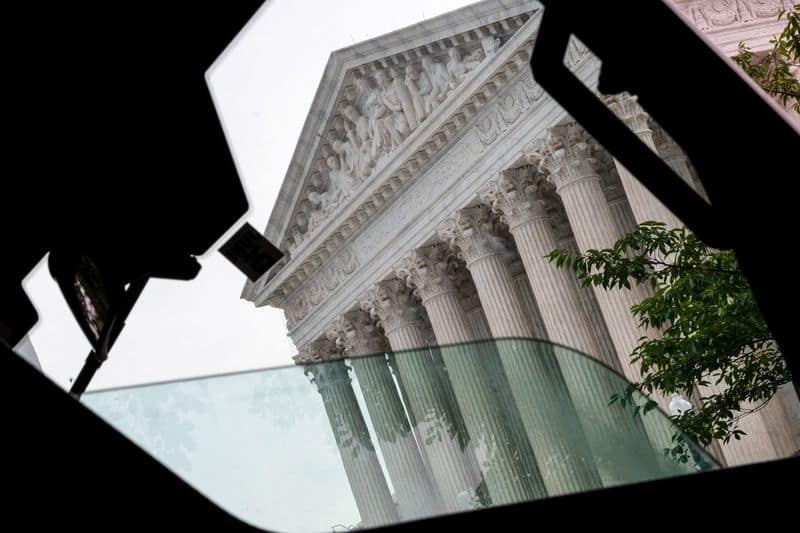
The U.S. Supreme Court has granted Donald Trump, and by extension all future presidents, the authority to remove leaders of independent agencies. In a 6-3 decision, the court overturned a 90-year-old precedent that had limited executive power in this regard. This ruling significantly strengthens the power of the presidency.
The decision, stemming from the case Trump v. Slaughter, has been met with criticism from labor and consumer advocacy groups. These organizations fear the long-term consequences for the functioning of government and democracy in the United States. Rebecca Slaughter, a federal trade commissioner who was fired, expressed profound disappointment with the verdict.
Legal experts, such as Georgetown law professor Stephen Vladeck, described the ruling as "enormously important" and predicted massive ramifications for the government long after Trump's presidency. Columnist Moira Donegan suggested the court's verdict has once again undermined the power of Congress.
In other related decisions, the Supreme Court sided with national Republicans and the Trump administration by allowing mail-in ballots arriving after Election Day to be counted, upholding laws in numerous states. Additionally, the court ruled that law enforcement's use of broad warrants for smartphone location data requires privacy protections under the Fourth Amendment, a decision seen as a boost to privacy advocates.
The Supreme Court also declined to review a 2023 New York jury verdict that found Donald Trump liable for sexually abusing and defaming writer E. Jean Carroll. This decision leaves intact the $5 million civil judgment against Trump. Trump reacted on Truth Social, calling it a "Fake Case," while Carroll's attorney stated the decision affirms the jury's verdict.
In separate news, Donald Trump announced his nomination of Keith Sonderling to serve as U.S. secretary of labor. The San Francisco archdiocese has agreed to pay $395 million to settle over 500 lawsuits alleging child sexual abuse by church officials.