Key facts
- The U.S. and Iran have agreed to halt hostilities and renew talks.
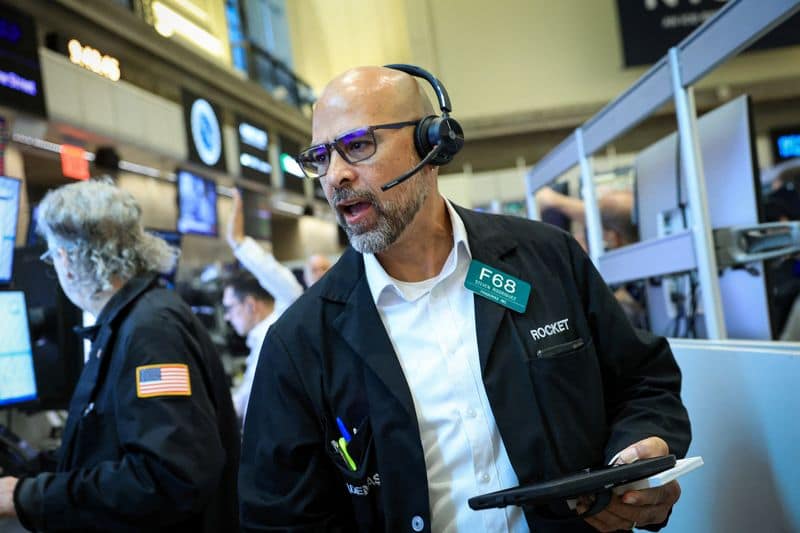
- U.S. stocks rose, with the Dow Jones Industrial Average reaching a record closing high.
- Oil prices fell, with Brent crude futures trading below $73 a barrel.
- Traffic in the Strait of Hormuz has recovered to pre-war levels.
- Iranian officials indicated talks on transit paths would begin soon but stated no negotiation meetings with the U.S. are planned.
Global stocks surged, with the Dow Jones Industrial Average reaching a record closing high, as tensions eased between the U.S. and Iran following mutual missile fire that tested an interim ceasefire. Oil prices dropped as investors focused on potential U.S.-Iran talks in Doha, though traffic in the Strait of Hormuz has recovered to pre-war levels.
Brent August crude futures fell 1.03% to $72.40 a barrel, while U.S. West Texas Intermediate dropped 0.66% to $70.32. Analysts noted that while the market is cautiously hopeful for de-escalation, tangible signs of normalization in flows through the Strait of Hormuz are not yet visible.
Iranian officials indicated talks on redefining transit paths through the Strait of Hormuz would begin soon, but also stated there would be no negotiation meetings with the American side. U.S. President Donald Trump acknowledged the potential importance of the Doha meeting.
Despite fresh ship attacks and renewed strikes, Middle East producers are continuing to load oil and LNG. Analysts at Goldman Sachs projected that Gulf flows could return to pre-war levels of 23 million barrels per day by early July, with traffic last week reaching its highest point since the conflict began.