Key facts
- Prime Minister Keir Starmer unveiled a new Defence Investment Plan committing an additional £15 billion.
- The plan aims to increase UK defence spending to 3% of GDP in the next parliament.
- Nato-qualifying defence spending is projected to reach 2.7% of GDP by 2027-28.
- The UK has a commitment to meet 3.5% of GDP for Nato defence spending by 2035.
- Former Defence Secretary John Healey resigned citing insufficient funding in the plan.
Prime Minister Sir Keir Starmer has unveiled the government's long-delayed Defence Investment Plan (DIP), announcing an additional £15 billion in spending to modernize the UK's armed forces. Starmer described the investment as a "huge historic shift for our nation" and stated it would put the UK on a trajectory to spend 3% of GDP on defence in the next parliament.
The plan aims to increase Nato-qualifying defence spending to 2.7% of GDP by 2027-28, with projections suggesting it will remain at that level through 2030. This figure includes the activities of security and intelligence agencies, which will now be classified as Nato-qualifying. The government also has a commitment to meet 3.5% of GDP for core defence spending by 2035.
However, the plan has faced criticism. Former Defence Secretary John Healey resigned shortly before its publication, arguing that the proposed funding was insufficient to defend the country against rising threats and that the UK should aim for 3% of GDP by 2030. Reports also indicate a potential £28 billion shortfall in the MoD's budget over the next four years, a figure the MoD has not officially confirmed.
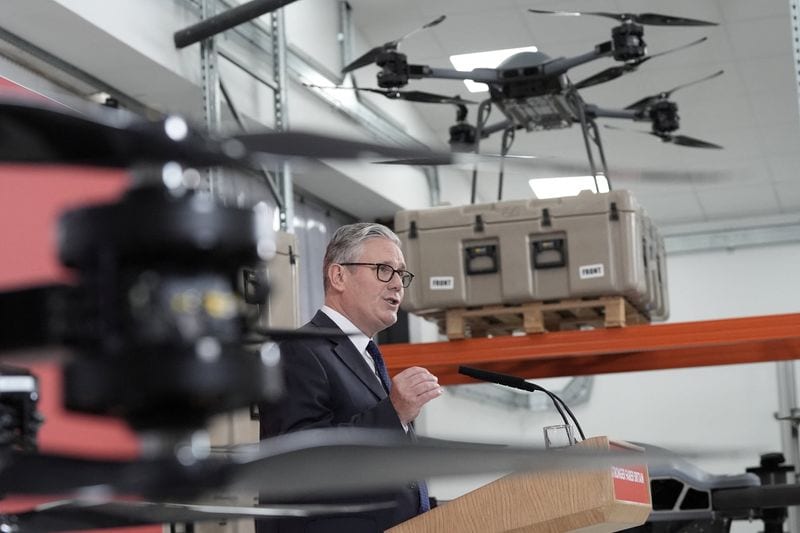
The DIP allocates funds for the development of drones and autonomous systems, with Starmer highlighting the importance of unmanned aerial vehicles and artificial intelligence in modern warfare. The plan also addresses concerns about Russia, identifying it as a threat to NATO allies.