Key facts
- UK Prime Minister Keir Starmer secured an £18 billion investment deal with Japan.
- The agreement includes over 10 commercial and government agreements.
- A £9 billion offshore wind deal is part of the investment.
- Rolls-Royce will collaborate with Japan's Atomic Energy Agency on nuclear research.
- Japanese investors committed over £9 billion to projects like new towns and innovation hubs.
- Japanese Prime Minister Sanae Takaichi hailed increasing defence cooperation with the UK.
- The Global Combat Air Programme (GCAP) faces uncertainty due to financial contribution delays.
Prime Minister Keir Starmer has secured an £18 billion investment deal with Japan, aiming to bolster post-Brexit ties and create tens of thousands of jobs. The agreements span technology and life sciences, including a significant £9 billion offshore wind deal and Rolls-Royce's collaboration with Japan's Atomic Energy Agency on next-generation nuclear technologies. Japanese investors have committed to a five-year pipeline exceeding £9 billion for various projects.
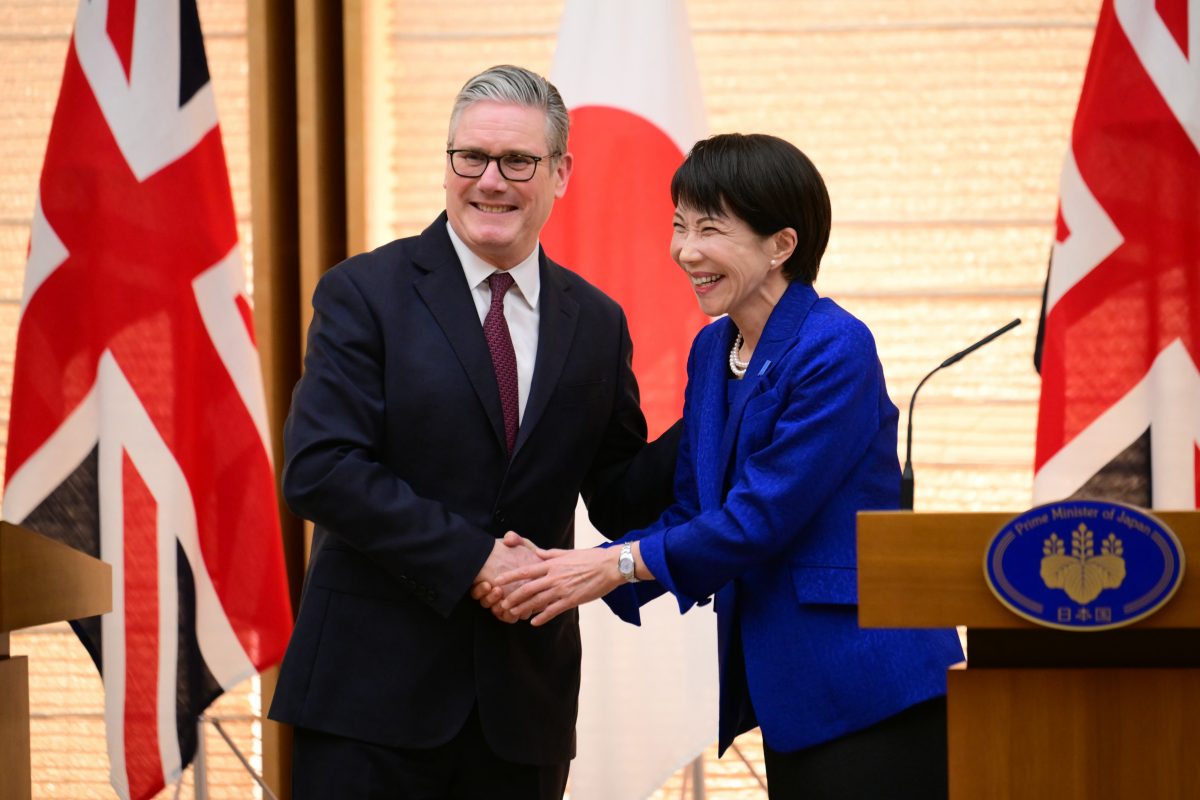
Japanese Prime Minister Sanae Takaichi met with Starmer in London, hailing increasing defence cooperation and calling the UK a very important partner given the deepening of ties across security and defence, particularly concerning the Global Combat Air Programme (GCAP). Starmer and Takaichi reconfirmed their commitment to the GCAP initiative, aimed at developing a next-generation fighter jet by 2035, though the project faces roadblocks including delays to Britain’s financial contribution and uncertainty following the resignation of UK Defence Secretary John Healey.
However, the UK's broader post-Brexit economic strategy faces scrutiny. A report by Policy Exchange suggests that a separate UK 'reset' deal with the EU may result in higher costs for UK producers than its projected benefits, potentially due to new regulations and overregulation. Former trade secretary Lord Lilley has also expressed skepticism about the efficacy of free trade frameworks in boosting exports.