South Korean import prices fall for third straight month in August
IN SHORT
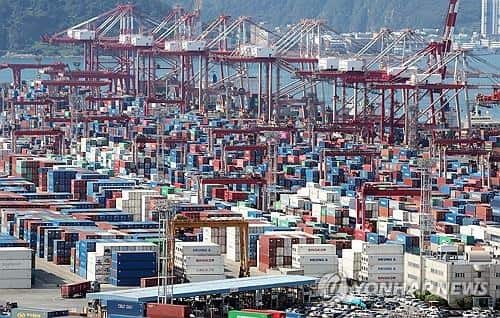
South Korea's import prices decreased for the third consecutive month in August, driven by a stronger won that offset rising oil prices. The import price index fell 2.4% from July, following previous monthly declines, according to preliminary data from the Bank of Korea.
Key Numbers
-2.4%on-month fall in import prices in August
-1.0%on-month fall in import prices in July
-4.2%on-month fall in import prices in June
+6.1%on-month strengthening of Korean won in August
+15.6%on-month rise in Dubai crude oil prices in August
-3.7%on-month fall in export prices in August
Who's Involved
Bank of Korea
released preliminary data on import and export prices
Park Sang-soo
reported on the import price data
↳ Why This Matters
Falling import prices can help curb inflation by reducing the cost of goods brought into the country, potentially easing pressure on the Bank of Korea to raise interest rates. The stronger won also makes imports cheaper, benefiting consumers and businesses reliant on foreign goods.