Key facts
- South Korean banks are considering increasing cybersecurity spending.
- Recent hacking incidents have led to customer data leaks at major lenders.
- Hackers reportedly used AI tools in the attacks.
- KB Kookmin Bank plans to raise its cybersecurity budget to over 100 billion won in 2027.
- Shinhan Bank and Hana Bank also plan significant investments in security systems.
- The Financial Supervisory Service identified IP addresses in 12 countries linked to the attacks.
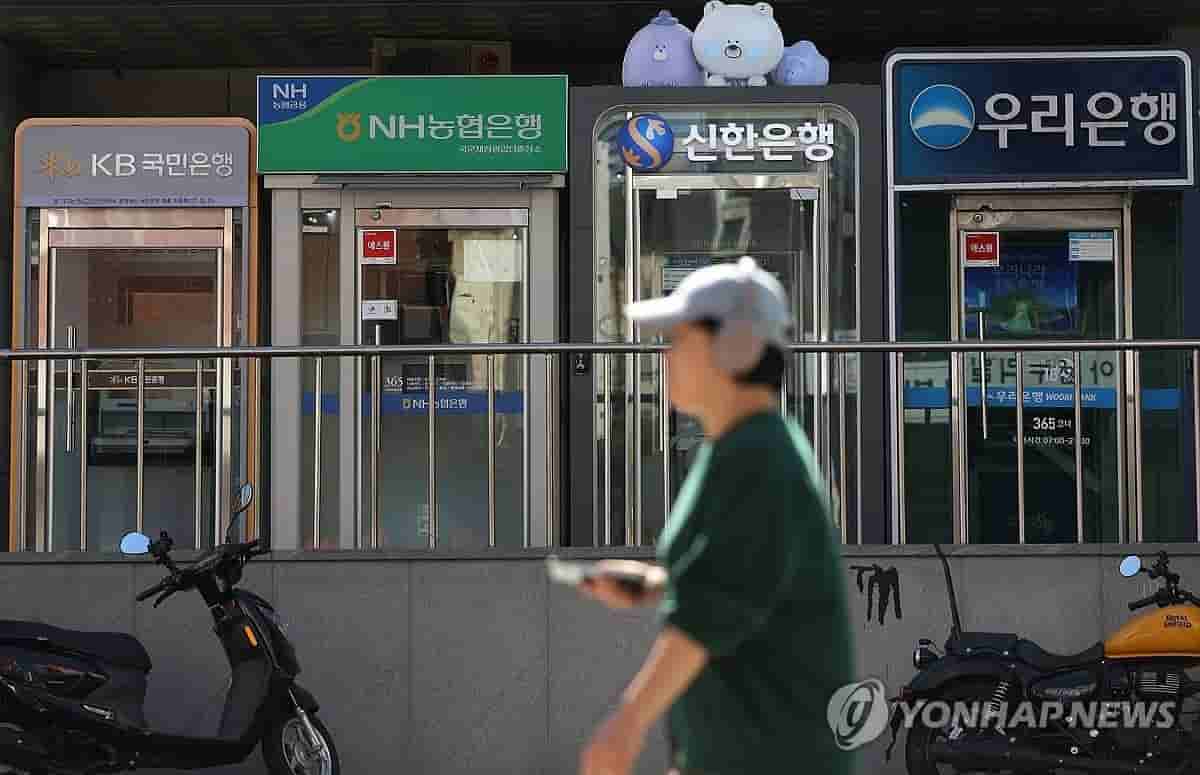
South Korean banks are contemplating increased spending on cybersecurity systems and personnel following a series of recent hacking attacks that have led to customer data leaks. Major lenders, including Shinhan Bank, Hana Bank, and KB Kookmin Bank, have reported breaches this month, raising concerns about the security of customer information.
Shinhan Bank disclosed on October 1 that personal details of approximately 25,000 customers, including names, phone numbers, and annual incomes, were leaked. Sources indicate that hackers utilized advanced artificial intelligence (AI) tools in this attack. Similar leaks or exposures of customer information have also been reported at other financial institutions.
In response to these AI-linked attacks, KB Kookmin Bank intends to raise its cybersecurity budget to over 100 billion won (US$74 million) in 2027, an increase from its 2026 budget of 86.07 billion won. Shinhan Bank is planning to allocate a record budget for cybersecurity, while Hana Bank aims to invest tens of billions of won in enhancing its security systems next year. The banks also plan to expand their cybersecurity workforce in the coming year.
These initiatives follow a call from President Lee Jae Myung over the weekend for a thorough investigation into the attacks. The Financial Supervisory Service (FSS) reported on Monday that it had identified Internet Protocol (IP) addresses in 12 countries suspected of being involved in the AI-assisted hacking incidents, though the exact locations for some addresses remain undetermined.