South Korea Extends Fuel Tax Cuts Through September Amid Energy Volatility
IN SHORT
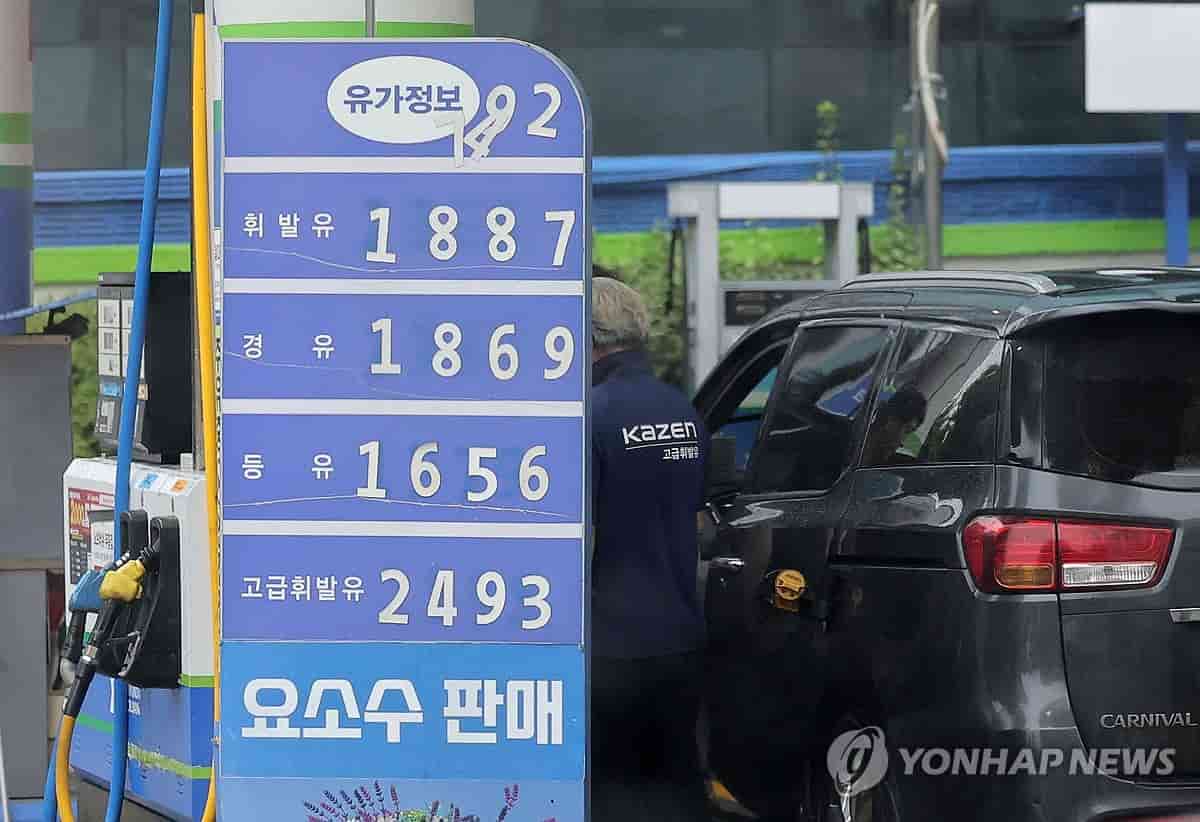
South Korea will extend its fuel tax cuts until September 30 due to Middle East geopolitical tensions and oil price volatility. The government also maintained current fuel price caps for gasoline, diesel, and kerosene.
Key Numbers
September 30fuel tax cut extension deadline
1,784 wonmaximum gasoline price per liter
1,773 wonmaximum diesel price per liter
1,380 wonmaximum kerosene price per liter
4 weeksduration of current price cap
3 percentJune inflation rate
Who's Involved
South Korea
government extending fuel tax cuts and maintaining price caps
Ministry of Trade, Industry and Resources
announced unchanged fuel price caps
↳ Why This Matters
The extension of fuel tax cuts and the maintenance of price caps aim to stabilize domestic energy costs for consumers and businesses, mitigating the economic impact of global oil price volatility and Middle East geopolitical risks.