Key facts
- South Korea will ease regulations to support three megaprojects in semiconductors and AI.
- The government expects these measures to attract $2.96 billion in investment.
- Specific regulatory changes include allowing separate permits for new buildings at the Yongin semiconductor cluster.
- Battery recycling firms will be permitted to operate within national industrial parks in Gumi and Pohang.
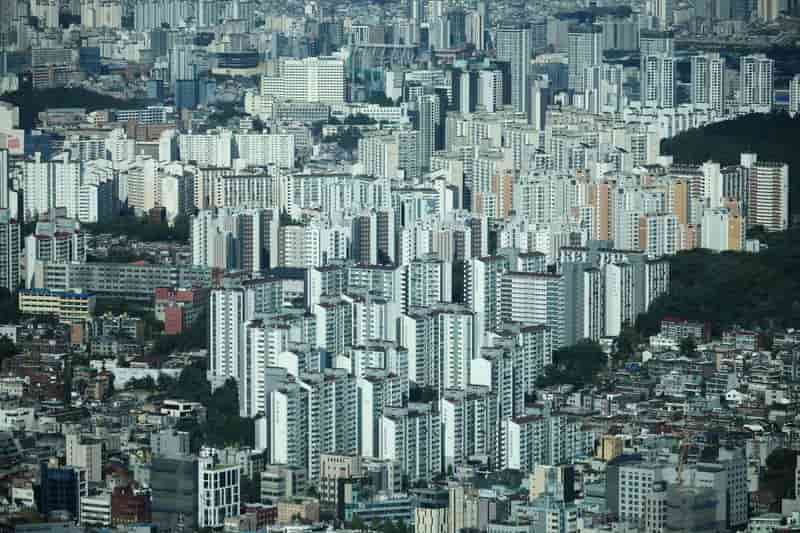
- South Korea is also implementing measures to stabilize the housing market, including increased financial support for construction and young homebuyers.
South Korea announced on August 13, 2026, that it will ease a range of regulations, including administrative procedures, to facilitate the progress of three major national projects centered on semiconductors and artificial intelligence (AI) facilities. Finance Minister Koo Yun-cheol unveiled the plan, with the government projecting that these measures will stimulate a total of 4.2 trillion won (US$2.96 billion) in investment. The deregulation is intended to promptly address on-the-ground investment challenges and ensure the smooth implementation of these megaprojects.
Specific regulatory adjustments include revising building permit requirements to allow companies to obtain separate permits for new buildings at the semiconductor cluster under construction in Yongin, south of Seoul. This change is expected to unlock 2.5 trillion won in investment. Furthermore, the government will permit battery recycling firms to operate within national industrial parks in the southeastern cities of Gumi and Pohang, a move anticipated to attract 100 billion won in business investment.
Separately, South Korea is implementing measures to stabilize its housing market. The Financial Services Commission (FSC) announced efforts to boost housing supply and support young homebuyers. This includes raising policy support for financing construction projects to 47.8 trillion won ($33.72 billion) and introducing new policy loans for young people and newlyweds. The FSC aims to manage debt growth at around 3% this year. These housing measures come as President Lee Jae Myung's approval ratings have fallen, partly due to rising house prices.