Key facts
- South Korea's government kept fuel price ceilings unchanged for the third consecutive period.
South Korea's government has maintained its fuel price ceilings for a third consecutive period, keeping them at 1,784 won per liter for regular gasoline and 1,773 won for diesel. The decision aims to ease upward pressure on consumer prices amidst rising international oil prices and escalating Middle East tensions.
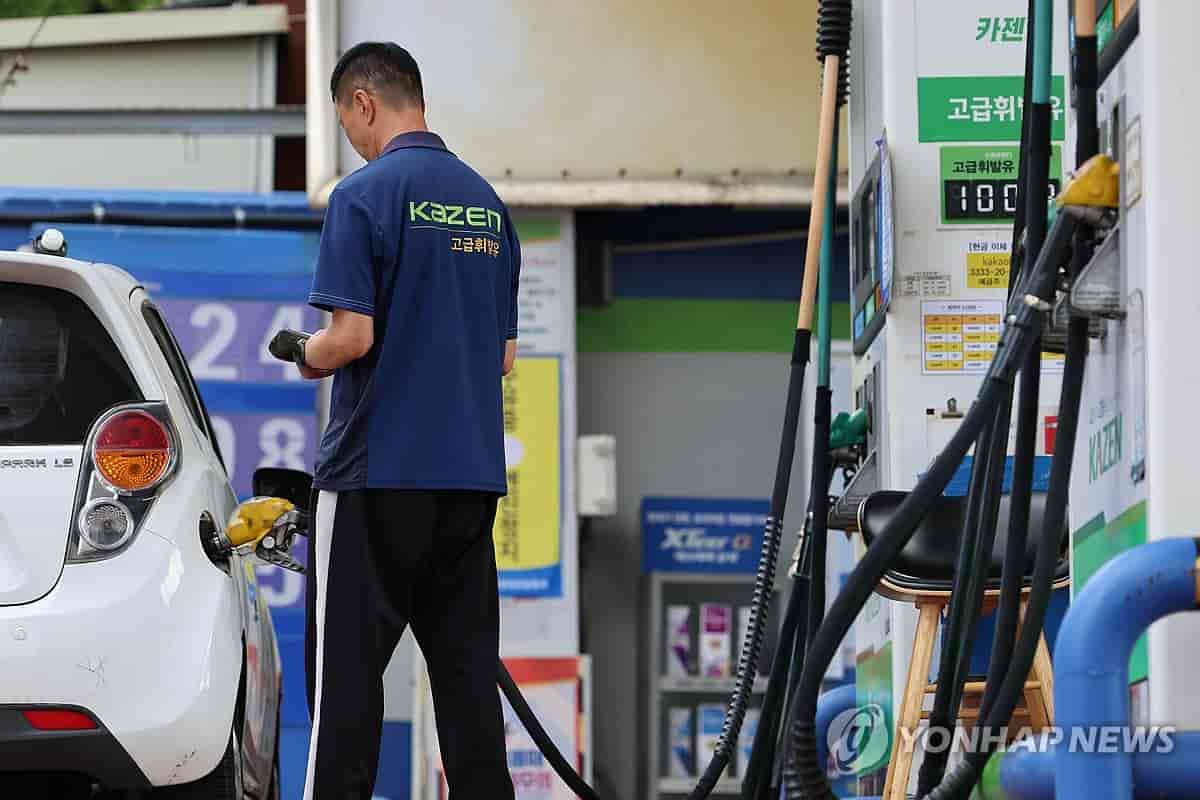
South Korea's decision to maintain fuel price caps aims to shield consumers from the immediate impact of rising global oil prices, a move that could help temper inflation but may also affect the profitability of local refiners if international prices continue to climb.
SEOUL, Sept. 18 (Yonhap) -- The South Korean government announced Friday it will keep its price ceilings for fuel products unchanged for a third consecutive period, citing elevated oil prices and escalating tensions in the Middle East. The decision, effective Saturday, will maintain the maximum prices for regular gasoline, diesel, and kerosene at 1,784 won (US$1.30), 1,773 won, and 1,380 won per liter, respectively, for the next four weeks. This marks the 12th consecutive week the government has held the price caps at their current levels, having first lowered them on June 27. The Ministry of Trade, Industry and Resources stated that the freeze is intended to mitigate the impact of rising international oil prices, which saw Brent crude surpass $100 per barrel on September 16, on consumer prices. The government initially implemented these fuel price caps in mid-March as an emergency measure to stabilize domestic fuel prices amid supply chain disruptions linked to the U.S.-Iran conflict. The ministry indicated it will continue to monitor the situation in the Middle East and the domestic economy, adjusting the measures as necessary.