Key facts
- Singapore ranked as the world's most polluted city by IQAir.
- Fires in Indonesia, intensified by El Nino, are the primary cause of haze.
- Singapore is providing subsidies for haze-related medical treatment.
- Parts of Malaysia closed schools due to unhealthy air quality.
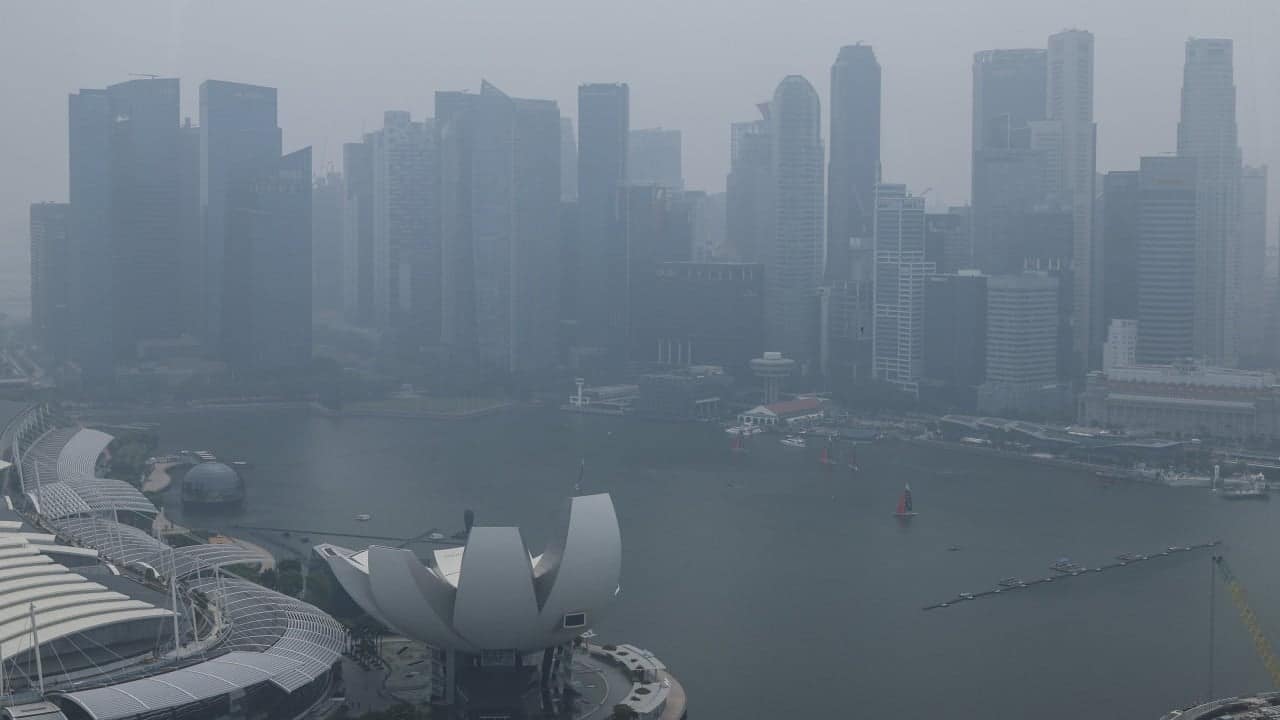
Singapore has once again been identified as the world's most polluted city, according to air quality monitor IQAir. The persistent toxic haze is attributed to fires raging on the Indonesian islands of Borneo and Sumatra, exacerbated by the El Nino weather phenomenon. This environmental crisis has prompted Singapore to implement subsidies for medical treatments related to haze exposure. Meanwhile, neighboring Malaysia has seen schools close in affected regions as both nations grapple with unhealthy air quality stemming from the Indonesian wildfires.
While Singapore's official metric, the Pollutant Standards Index (PSI), often shows readings in the 'Good' or 'Moderate' range on a daily basis, the annual average PM2.5 levels indicate a more significant issue. The 2024 World Air Quality Report states that 100% of Singapore's population is exposed to PM2.5 levels exceeding World Health Organization guidelines, with an annual average PM2.5 concentration of 12.4 μg/m³ in 2023. IQAir's 2023 World Air Quality Report ranked Singapore 45th out of 131 countries for air quality. Preliminary data for 2025 suggests a potential shift in ranking, placing it 84th out of 143 countries based on PM2.5 exposure. The Yale Environmental Performance Index 2024 ranked Singapore 50th. The National Environment Agency (NEA) maintains over 20 monitoring stations across the island to track air quality in real-time, particularly during the typical haze season from June to October.