All NewsEducationTVBrokers
Equities & FundsCrypto & Digital AssetsAI & TechnologyBusiness & CorporateUS Politics & PolicyGeopolitics & Global RiskMacro, Rates & FXCommodities & EnergyEuropean Politics & MarketsAsia-PacificReal Estate & Property
All NewsHome
← Back to AI & Technology

Russia's Starlink rival Rassvet faces launch setbacks

Created at 2 Sep · 11:26 AM1 source↑ Market-relevant
IN SHORT

Russia's Rassvet satellite internet program, intended as a rival to SpaceX's Starlink, is experiencing a slow start. At least three of the first 32 launched satellites have likely failed, with more showing signs of trouble, preventing them from reaching their intended operational orbits.

Key Numbers

32Rassvet satellites launched
500 milesIntended operational orbit altitude
300 milesHighest altitude achieved by satellites
3Satellites likely suffered outright failures
10 percentPercentage of planned satellites launched
300Satellites Russia aims to orbit by end of next year
924Satellites Bureau 1440 wants by 2035
2Launches of Rassvet satellites

Who's Involved

Bureau 1440
Company in charge of Russia's Rassvet satellite program
Institute for the Study of War
Released assessment on Rassvet satellite performance
Jonathan McDowell
Independent tracker of global launch and satellite activity
Anatoly Zak
Journalist and editor of RussianSpaceWeb.com
Yuri Borisov
Former head of Russia's space agency Roscosmos
SpaceX
Operator of the Starlink satellite network
US military’s Space Development Agency
Fielding its own constellation of data relay satellites
Russia's Starlink rival Rassvet faces launch setbacks

↳ Why This Matters

The slow start and likely failures of Russia's Rassvet program highlight the significant challenges in deploying large satellite constellations and could impact Russia's ability to provide domestic satellite broadband, particularly for military operations, following the restriction of Starlink access.

Key facts

  • Russia's Rassvet satellite internet program, designed as a competitor to SpaceX's Starlink, is facing significant launch and operational challenges.
  • Two launches have placed 32 Rassvet satellites into orbit, but none have reached their intended 500-mile operational altitude.
  • At least three of the initial 32 satellites are believed to have failed outright, with others showing signs of propulsion or maneuvering issues.
  • The program aims to deploy approximately 300 satellites by the end of next year and 924 by 2035.
  • Ukraine has reportedly targeted Russian facilities involved in satellite manufacturing and launches, potentially hindering Rassvet's progress.

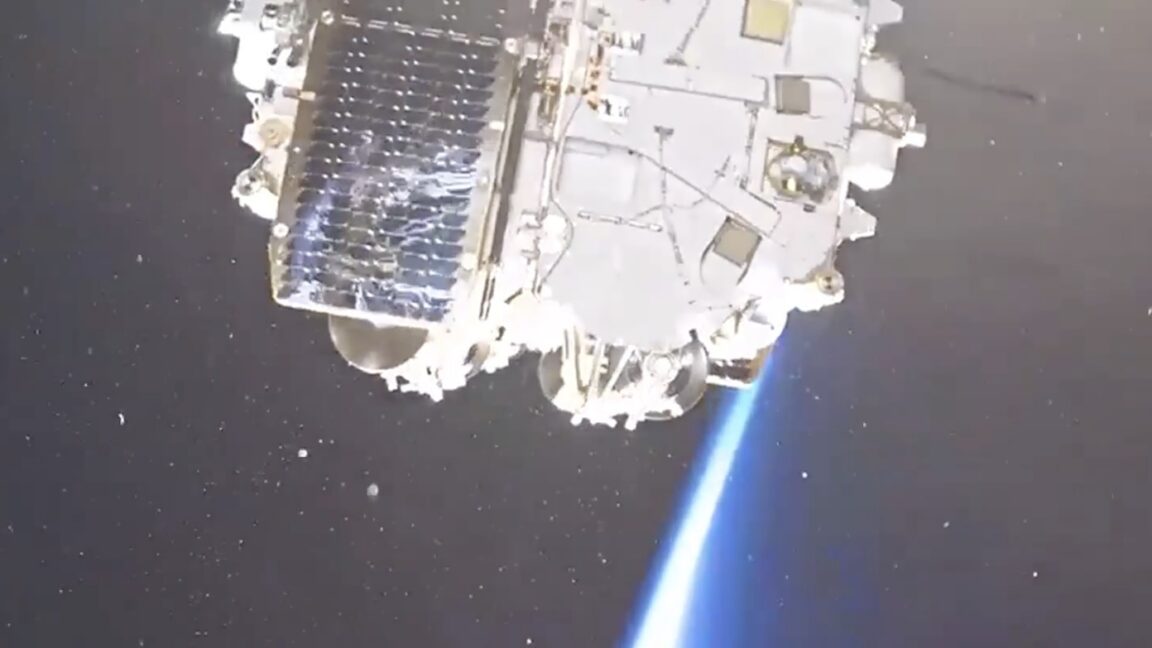
Russia's ambitious Rassvet satellite internet program, intended to rival SpaceX's Starlink, is experiencing a significantly slower start than anticipated. Of the 32 Rassvet satellites launched across two missions earlier this year, none have successfully reached their designed operational orbit of 500 miles. The satellites were expected to use their own propulsion systems to ascend from lower orbits, but assessments indicate at least three have likely failed outright, with others showing signs of trouble and failing to maneuver as planned. The highest altitude achieved by any Rassvet satellite is just over 300 miles. This performance falls short of the program's goals, which include deploying approximately 300 satellites by the end of next year and 924 by 2035 to provide connectivity for military and civilian users. Experts note that Russia's satellite industry has historically faced underfunding and production issues, exacerbated by the ongoing war in Ukraine. Meanwhile, Ukraine has reportedly targeted Russian facilities involved in space industry infrastructure, including factories producing the Soyuz rockets needed for Rassvet launches, potentially further delaying Russia's efforts to establish its own satellite broadband network.

Frequently asked questions

Rassvet is Russia's program to develop and launch a satellite internet constellation, intended to be a domestic rival to SpaceX's Starlink.

The initial satellites have failed to reach their intended operational orbit, with at least three likely experiencing outright failures and others showing signs of propulsion or maneuvering issues.

Two launches have delivered a total of 32 Rassvet satellites to low-Earth orbit.

The program aims to deploy approximately 300 satellites by the end of next year and 924 by 2035 to provide satellite broadband connectivity.

The war has exacerbated existing issues in Russia's space industry and led to Ukrainian strikes on facilities crucial for satellite launches, potentially delaying Rassvet's deployment.

What Happens Next

01Russia aims to launch more Rassvet satellites to increase coverage over Ukraine.
02Ukraine continues to target Russian space industry infrastructure.

How It Developed

Russia's Rassvet program launched its first operational satellites this year.
Two launches delivered 32 satellites to low-Earth orbit.
None of the launched satellites have reached their intended 500-mile orbit.
Satellites were expected to use plasma engines to raise their orbits.
The highest altitude achieved is just over 300 miles.
At least three satellites likely suffered outright failures.
Some satellites stopped maneuvering after initial attempts.
Ukraine has targeted facilities crucial to Russia's space industry.

Sources

T1
Rassvet, Russia’s rival to Starlink, is getting off to a slow startvar abtest_2170122 = new ABTest(2170122, 'impression');Ars Technica

Related Stories

China's 2026 moon laser communication speed slower than NASA's 2013
2 Sep · 4:05 AM
AI models show promise in detecting heat shield anomalies
1 Sep · 2:51 PM
BGP hijacking used to push malware disguised as software updates
2 Sep · 11:11 AM
August research roundup: 7 cool science stories we almost missed
1 Sep · 7:12 PM
X reports user account targeting attempts post-X Money launch
1 Sep · 9:16 PM